


Use heat when your joints feel stiff, achy, or tight, especially first thing in the morning or before you get moving. Reach for ice when a joint suddenly swells, flares up, or feels hot and angry after activity. Either way, put a thin towel between your skin and the pack, keep sessions to about 20 minutes, and take a break before you go again. If you have neuropathy, poor circulation, or any sign of infection, consult your clinician before self-treatment.
TL;DR:
- Heat therapy is most effective in the morning for stiffness and should be limited to about 20 minutes, with caution on red, swollen, or inflamed joints.
- Cold therapy works best immediately after a flare or swelling, with sessions recommended for 15 to 20 minutes and spaced several hours apart.
- Alternating heat and ice can help manage different symptoms but should be done carefully and avoided if sensation is impaired or infection is present.
- Use well-designed wraps that fit the joint properly and follow safety rules to prevent burns or frostbite during treatment.
- Medications remain essential for underlying inflammation, with temperature therapy serving as a complementary symptom management tool.
Table of Contents
- When to Use Heat for Arthritis Stiffness
- When to Use Ice for a Flare or After Activity
- Alternating Heat and Ice: Does Contrast Therapy Work?
- Safety Rules for Home Heat and Ice Therapy
- Choosing a Reusable Ice or Heat Wrap That Actually Fits
- When Home Therapy Isn’t Enough
- How Often and How Long Should You Use Heat or Ice?
- Does Heat or Ice Work Better for Osteoarthritis vs. Rheumatoid Arthritis?
- What Else Helps Alongside Heat and Ice Therapy
- Why We Build Wraps Around Real Safety Habits
- Shop Cool Relief Wraps Built for This Exact Routine
- Sources
- FAQ
When to Use Heat for Arthritis Stiffness
Heat works by widening blood vessels near the skin, which pushes more blood into stiff tissue and relaxes tight muscles around the joint. That extra circulation seems to raise your pain threshold too, which is part of why a warm shower can make a stiff knee feel almost normal again within minutes.
Moist heat tends to sink into tissue more effectively than dry heat, according to Harvard Health. That is why a warm bath often outperforms a heating pad for widespread stiffness.
Good options to try:
- A warm bath or shower for 15 to 20 minutes, especially in the morning
- A damp towel microwaved for 20 to 60 seconds, wrapped in a dry towel to hold in moisture
- A paraffin wax dip for stiff fingers or hands
- A heating pad, used cautiously and never left on unattended
Skip heat on a joint that’s already red, swollen, hot to the touch, or has any open skin. That combination usually signals active inflammation, and heat can make swelling worse instead of better.
Pro Tip: Test any heat source on the inside of your forearm first. Skin on your hands and feet is often less sensitive to temperature than the skin doctors use to judge a safe heat level, so what feels fine on a stiff knuckle could still be too hot for the joint.
When to Use Ice for a Flare or After Activity
Cold does the opposite job heat does. It narrows blood vessels, which slows fluid buildup around a joint and numbs the nerve endings that are sending pain signals. That’s why ice is the better call right after a flare starts or once a joint has swollen up from overuse.
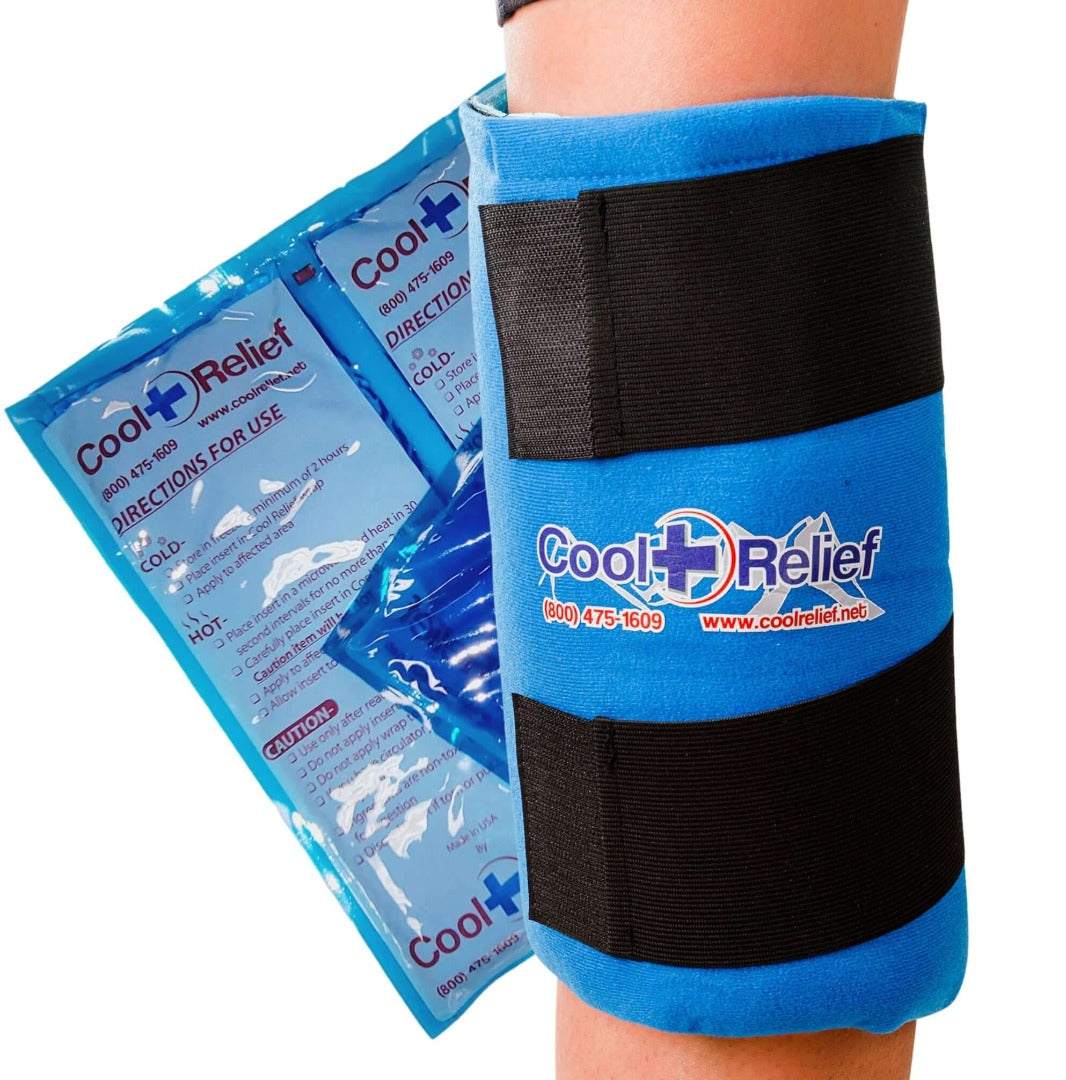
A systematic review of therapies for osteoarthritis and rheumatoid arthritis found cryotherapy, the clinical term for cold treatment, works best for controlling inflammation in its acute phase. That review also backed a specific real-world result worth knowing: patients who applied reusable gel ice packs to an arthritic knee for 20 minutes, three times a week for eight weeks, alongside a home exercise routine, saw measurable improvement in pain, stiffness, and function.
Ways to apply cold safely:
- A reusable gel ice pack shaped to fit the joint
- A bag of frozen vegetables, which molds well around knees and ankles
- A cooling wrap designed to stay in place during light movement
Limit sessions to about 15 to 20 minutes and allow several hours between applications rather than icing consecutively. Skip cold therapy if you have Raynaud’s phenomenon, poor circulation, nerve damage, or any open wound near the area.
Alternating Heat and Ice: Does Contrast Therapy Work?
Alternating between heat and ice, often called contrast therapy, tries to get the best of both: heat’s circulation boost and ice’s swelling control in one routine. Cleveland Clinic notes that both approaches can ease arthritis symptoms in different ways, which is part of why combining them appeals to a lot of people managing daily flares.
Two simple protocols work for most people:
- Local circulation boost: heat for 3 to 4 minutes, then cold for 30 to 60 seconds, repeated a few times if the joint tolerates it well.
- Activity bracket: heat before exercise or a task that requires bending, then cold afterward if the joint swells or aches.
Allow sufficient time for your skin to return to normal temperature before switching between hot and cold treatments, especially if the area is already sensitive. Skip alternating entirely if you have an active infection or any loss of sensation in the joint, since you won’t be able to tell if either temperature is doing damage.
Pro Tip: If mornings bring stiffness and evenings bring swelling, you don’t need to alternate within a single session. Heat in the morning to loosen up, then ice in the evening if the joint puffs up, covers both problems without overcomplicating your routine.
Safety Rules for Home Heat and Ice Therapy
The core safety rule is what Harvard Health calls the 20 minute standard: apply heat or cold for about 20 minutes, then rest before reapplying. That rest period gives your skin time to return to a normal temperature so you don’t risk burns or frostbite from stacking sessions too close together.
Follow these steps every time:
- Wrap the heat or ice source in a thin towel or cloth barrier. Never place gel packs directly on skin.
- Set a timer for 15 to 20 minutes.
- Check your skin at the 5 minute mark for excessive redness, blistering, or numbness. Stop immediately if you see any of those.
- Remove the pack at the timer’s end and wait at least 20 minutes before a second round.
- Follow with gentle range-of-motion movement if you used heat, since a joint that just loosened up benefits from being used.
Keep skin temperature comfortable rather than intense. A safe upper limit for heat sources on skin is around 113°F, well below what a stovetop-heated item can reach. If you have neuropathy, uncontrolled diabetes, or poor circulation, talk to your clinician before using either therapy unsupervised, since reduced sensation makes it hard to notice damage before it’s serious. The same caution applies over open wounds, regardless of whether you’re reaching for heat or ice.
A simple home routine: heat for 15 minutes in the morning, light stretching right after, then ice for 15 to 20 minutes in the evening if the joint feels swollen from the day’s activity.
Choosing a Reusable Ice or Heat Wrap That Actually Fits
Not every gel pack sold online is built the same way, and the wrong shape or size will undercut even a perfect timing routine. Before you buy, run through a short checklist:
- Coverage area: does the pack wrap fully around the joint, or just lay flat against one side?
- Conformability: does the gel stay flexible at freezer temperature, or does it turn into a rigid block?
- Fastening: does it stay put during light movement, or slide off after a few minutes?
- Versatility: can it go in both the freezer and the microwave, and does it come with a washable cover?
- Replaceable parts: can you swap in a new gel insert once the original wears out, rather than replacing the whole wrap?
For a joint as commonly affected as the knee, coverage and fit matter more than almost anything else on that list. The Knee Ice Pack Soft Gel targets that joint specifically, while the Large Soft Gel Pack for Knee 360 Coverage wraps the entire joint for broader support during longer sessions. If you’ve had a wrap for a while and the gel inside has flattened out or lost its flexibility, a replacement gel insert set extends the life of an XL wrap instead of forcing a full replacement. Store gel wraps flat in the freezer between uses and wipe the cover down after each session to keep it hygienic.
When Home Therapy Isn’t Enough
Heat and ice handle everyday stiffness and flares, but some symptoms need a clinician, not a towel. Watch for:
- Fever accompanying joint pain
- Swelling or pain that’s getting rapidly worse rather than settling
- Drainage, warmth spreading beyond the joint, or other signs of infection
- New numbness or sudden loss of function in the joint
If you’ve stuck with a safe home routine for about a week and seen no real improvement, or symptoms are trending worse instead of better, book an appointment rather than pushing through it longer. When you go in, bring specifics: which therapy you tried, how often, for how long, and any other conditions like diabetes or circulation issues that might change what your clinician recommends.
How Often and How Long Should You Use Heat or Ice?
Consistency beats intensity with either therapy. A single 20 minute session rarely undoes months of stiffness, but a steady routine over several weeks tends to compound.
For chronic stiffness, once or twice daily is a reasonable starting point. Many people find a morning heat session before getting moving, and a second one in the evening if the joint tightens up again, covers most of the day’s needs without overdoing it. For an active flare, icing two to three times a day for the first 48 to 72 hours usually addresses the worst of the swelling, after which you can taper down to once daily or switch to heat once the acute inflammation has settled.
Longer-term, the reviewed evidence on gel ice packs that improved knee pain and function used a schedule of three sessions a week for eight weeks, not daily use. That suggests a therapy routine doesn’t need to happen every single day to produce results. What matters more is sticking with it for weeks rather than trying it twice and giving up.
Reassess every week or two. If a joint that used to respond well to heat stops improving, or a flare that usually settles in a few days is dragging on, that’s a signal to adjust the routine or bring it up with your clinician rather than just increasing frequency on your own. Pushing past 20 minutes per session or icing more than a few times a day doesn’t add benefit and raises the risk of skin irritation or frostbite.
Does Heat or Ice Work Better for Osteoarthritis vs. Rheumatoid Arthritis?
The type of arthritis you have shifts which therapy tends to pull more weight, even though both remain useful across the board. Osteoarthritis is largely a wear-and-tear condition, and its stiffness tends to respond well to heat, particularly the morning stiffness that comes from a joint that’s been still all night. Rheumatoid arthritis involves active immune-driven inflammation, which means flares often bring more visible swelling, warmth, and redness, the exact symptoms cold therapy is built to calm.
That said, the comprehensive review of both conditions found the same general pattern holds across both diagnoses: cold suits the acute inflammatory phase, and heat suits chronic pain management and restoring function once the acute phase passes. A rheumatoid arthritis flare gets iced the same way an osteoarthritis flare does. A stiff, chronically achy joint from either condition responds to heat in similar fashion.
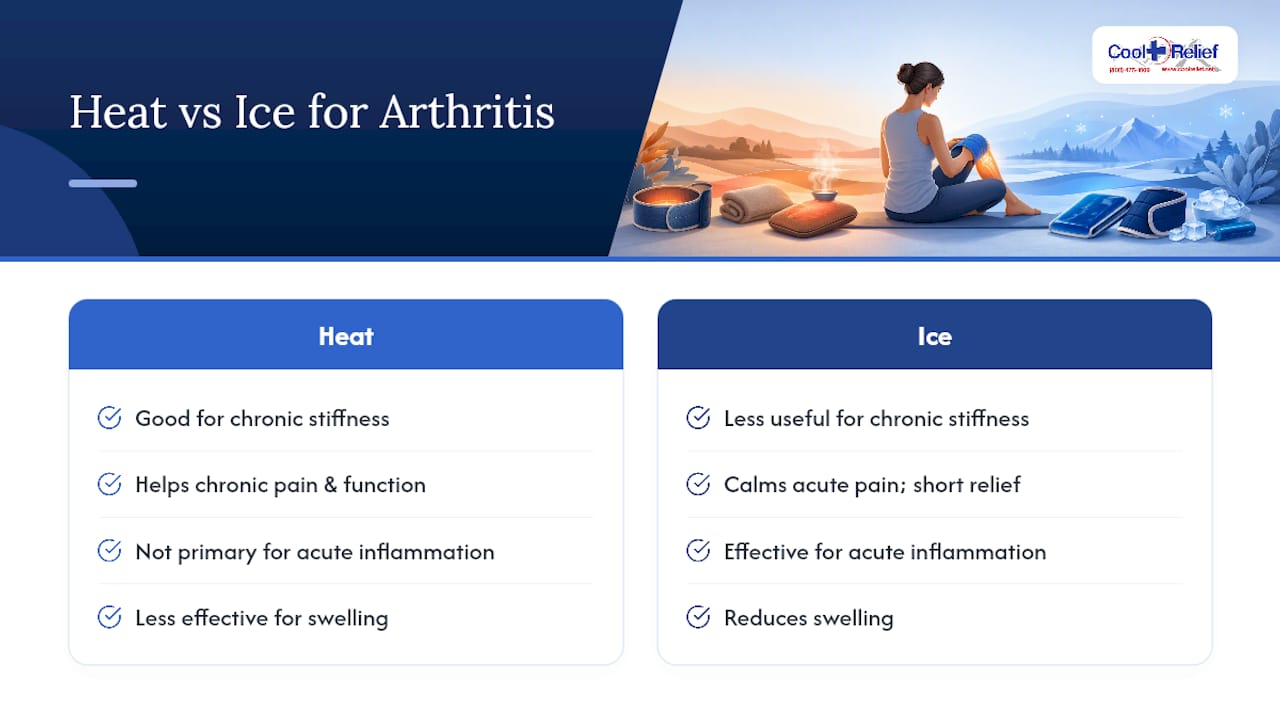
The practical difference shows up in frequency rather than which therapy you use at all. Someone with rheumatoid arthritis dealing with frequent flares may reach for ice more often across a given month, while someone with osteoarthritis managing steady mechanical stiffness may lean on heat as the daily default and save ice for days after unusually strenuous activity. Neither group should treat the other’s default as off limits. A rheumatoid arthritis patient with a stiff, non-inflamed joint still benefits from heat, and an osteoarthritis patient who overdoes a hike still benefits from ice that evening.
What Else Helps Alongside Heat and Ice Therapy
Heat and ice work best as part of a broader routine, not as the whole plan. Cleveland Clinic points out that pairing heat with gentle range-of-motion exercise right after a session extends the benefit, since a joint that just loosened up moves better while it’s still warm. Icing after activity, rather than only during a flare, also helps blunt the inflammatory response that follows exercise, which is part of why athletes and arthritis patients alike ice after a workout rather than skipping straight to rest.
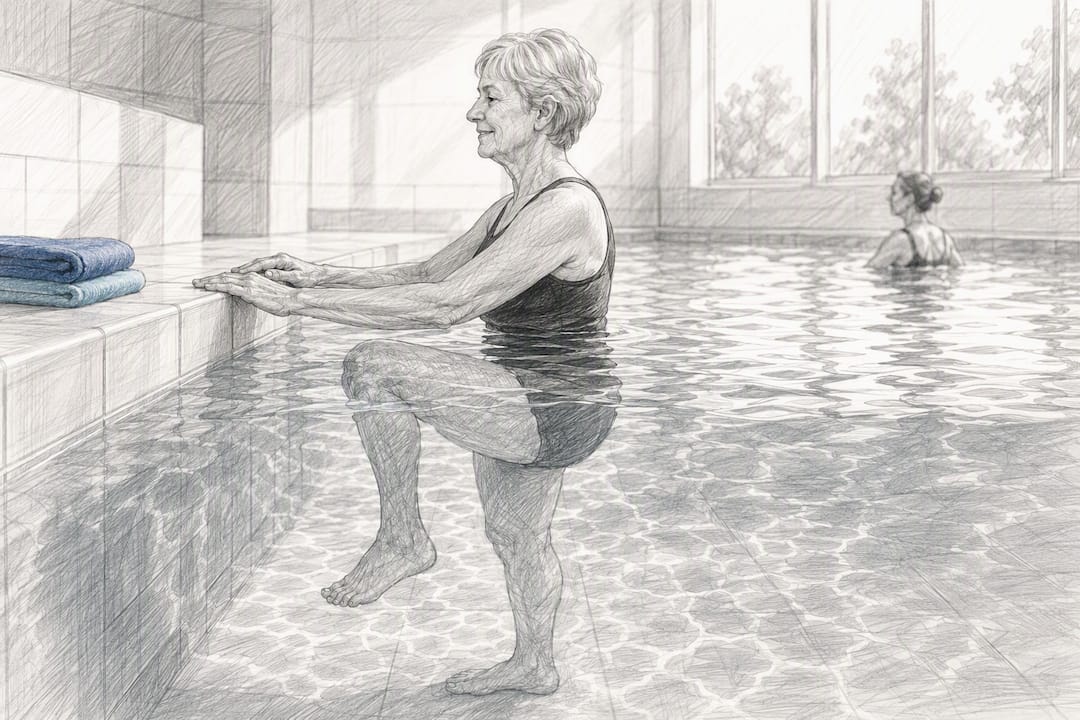
Warm-water exercise deserves particular mention. People in warm-water exercise programs done two to three times a week reported up to 40% less pain and better functional mobility, combining the circulation benefits of heat with low-impact movement that doesn’t strain the joint. If you’re looking to build a broader range-of-motion routine around your therapy sessions, aquatic exercise is one of the more joint-friendly ways to add movement without added strain.
Medication still plays a role heat and ice can’t replace. Over-the-counter anti-inflammatories, topical treatments, or prescribed disease-modifying drugs for rheumatoid arthritis address the underlying process, while heat and ice manage the symptoms day to day. The two approaches complement each other rather than compete. Skipping medication in favor of temperature therapy alone, or vice versa, usually leaves something on the table.
Why We Build Wraps Around Real Safety Habits
Specialized soft-gel reusable wraps provide targeted relief by fitting the joint well and maintaining shape during use. Each wrap is designed with the 20-minute safety habit in mind. Complex flare patterns or comorbidities like diabetes still call for your own clinician’s judgment, not a product page.
— Cool Relief
Shop Cool Relief Wraps Built for This Exact Routine
If you’ve made it this far, you already know the drill: heat for stiffness, ice for swelling, a barrier every time, and 20 minutes as your ceiling. What most off-the-shelf gel packs get wrong is fit. A pack that slides off your knee mid-session or turns rigid in the freezer undoes the routine before it starts. Wraps that hold their shape and stay put support developing a consistent therapy habit over time.
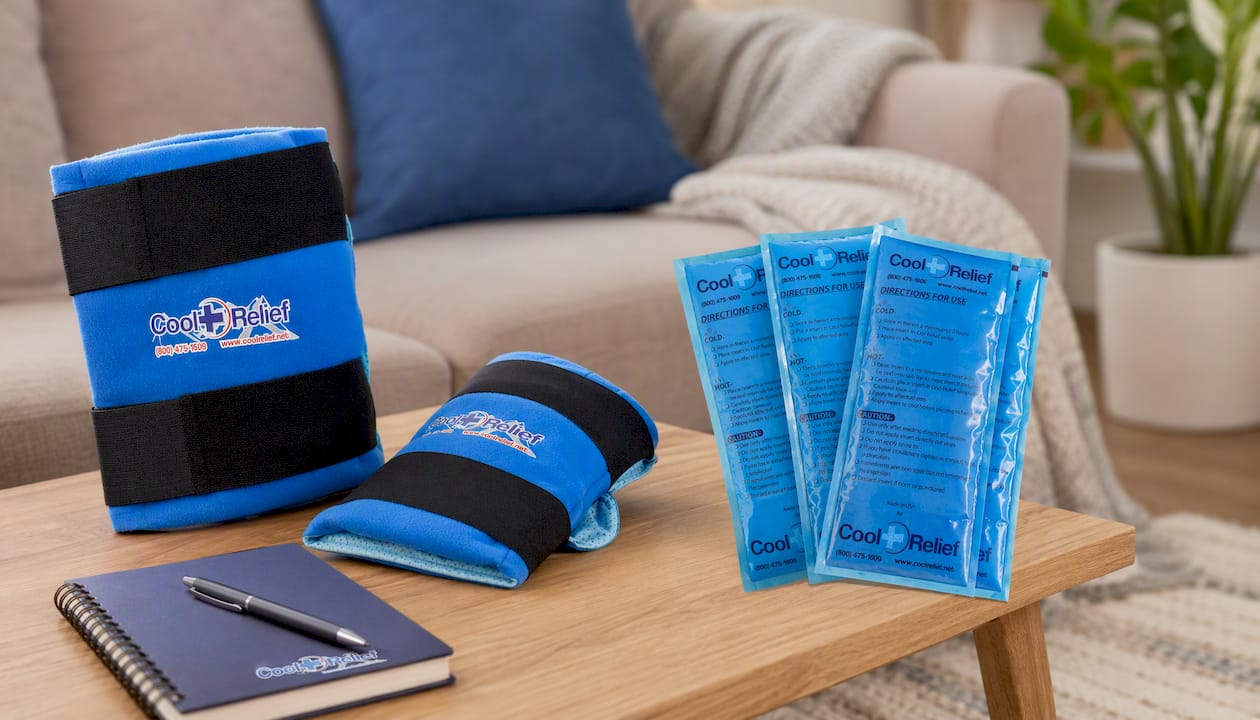
If knee stiffness or swelling is your main issue, the Knee Ice Pack Soft Gel covers the joint directly and works for both hot and cold sessions. For broader support around the whole knee, the Large Soft Gel Pack for Knee 360 Coverage wraps the entire joint rather than one side. And if you already own an XL wrap whose gel has flattened with use, the replacement insert set gets it back to full strength without buying a new wrap outright. Each product page has full care instructions and return details, so check there before you order to make sure the fit is right for your joint.
This article is general information, not a substitute for advice from a qualified doctor. Consult a qualified healthcare professional about your own circumstances before acting on anything here.
Sources
- Heat therapy helps relax stiff joints | Arthritis Foundation
- Ice or heat: What’s better for soothing arthritis pain? - Cleveland Clinic
- Cryotherapy and thermotherapy in the management of osteoarthritis and rheumatoid arthritis: A comprehensive review
FAQ
What’s the fastest way to relieve arthritis pain in the hands?
A warm paraffin dip or a few minutes of warm water usually eases hand stiffness fastest, since moist heat penetrates small joints quickly and loosens them for movement. If the hands are swollen rather than stiff, a small gel pack wrapped in a thin cloth works faster for calming that swelling.
Does arthritis pain come and go?
Yes, arthritis pain often comes in flares, especially with rheumatoid arthritis, where inflammation flares up and then settles. Osteoarthritis pain tends to follow a steadier pattern tied to activity and weather, but it can still worsen temporarily after overuse.
What herbal remedies can help with arthritis?
Some people report relief from turmeric, ginger, or fish oil supplements, though the evidence behind most herbal options is limited compared to established heat and cold therapy. Talk to your clinician before adding any supplement, especially if you’re on other arthritis medications.
What is the most effective medication for arthritis?
The most effective medication depends on the type of arthritis. Disease-modifying drugs work for rheumatoid arthritis by targeting the immune response, while osteoarthritis is usually managed with pain relievers and anti-inflammatories alongside physical therapies like heat and ice.
Share and get 15% off!
Simply share this product on one of the following social networks and you will unlock 15% off!