


If you have a fresh groin strain, put a cold pack over the sore inner thigh for 10 to 20 minutes, every 1 to 3 hours, for the first 24 to 48 hours. Always keep a thin cloth between the cold source and your skin. Pair it with rest and light compression, and stop icing right away if you feel numbness or the pain gets worse.
TL;DR:
- Use a soft-gel wrap with a barrier for better contour and less slipping during ice application, ensuring full 10 to 20-minute sessions.
- Apply ice every 1 to 3 hours during the first 24 to 48 hours, then reduce frequency as swelling subsides, avoiding prolonged or excessive icing.
- Always prevent skin injury by keeping a thin cloth barrier, limiting each session to 10-20 minutes, and stopping immediately if numbness or discoloration occurs.
- Switch from ice to heat only after swelling decreases, typically after 48 to 72 hours, to avoid worsening inflammation.
- Seek immediate medical attention if there is difficulty walking, increasing bruising, persistent weakness, or severe swelling that does not improve with home care.
Table of Contents
- How Do You Properly Ice a Groin Strain?
- How Long and How Often Should You Ice a Groin Injury?
- What Safety Rules Prevent Ice Burns and Circulation Problems?
- When Should You Switch From Ice to Heat for a Groin Strain?
- When Does a Groin Strain Need Medical Attention?
- How Long Does a Groin Strain Take to Heal?
- What We’ve Learned From Helping People Ice Injuries Correctly
- Find the Right Wrap for Groin and Adductor Icing
- Sources
- FAQ
How Do You Properly Ice a Groin Strain?
Icing a groin strain isn’t complicated, but getting the details right matters more than most people think. You need three things: a cold source, a barrier, and a way to hold it in place without cutting off circulation.
Pick your cold source. A soft-gel wrap molds to the inner thigh better than a rigid ice pack, which tends to slide off this awkward area. A bag of frozen vegetables works in a pinch and drapes reasonably well, but it warms up fast and won’t hold its shape for repeat use. Plain ice cubes in a bag are the least forgiving option because they’re hard, uneven, and colder against the skin than a gel pack.
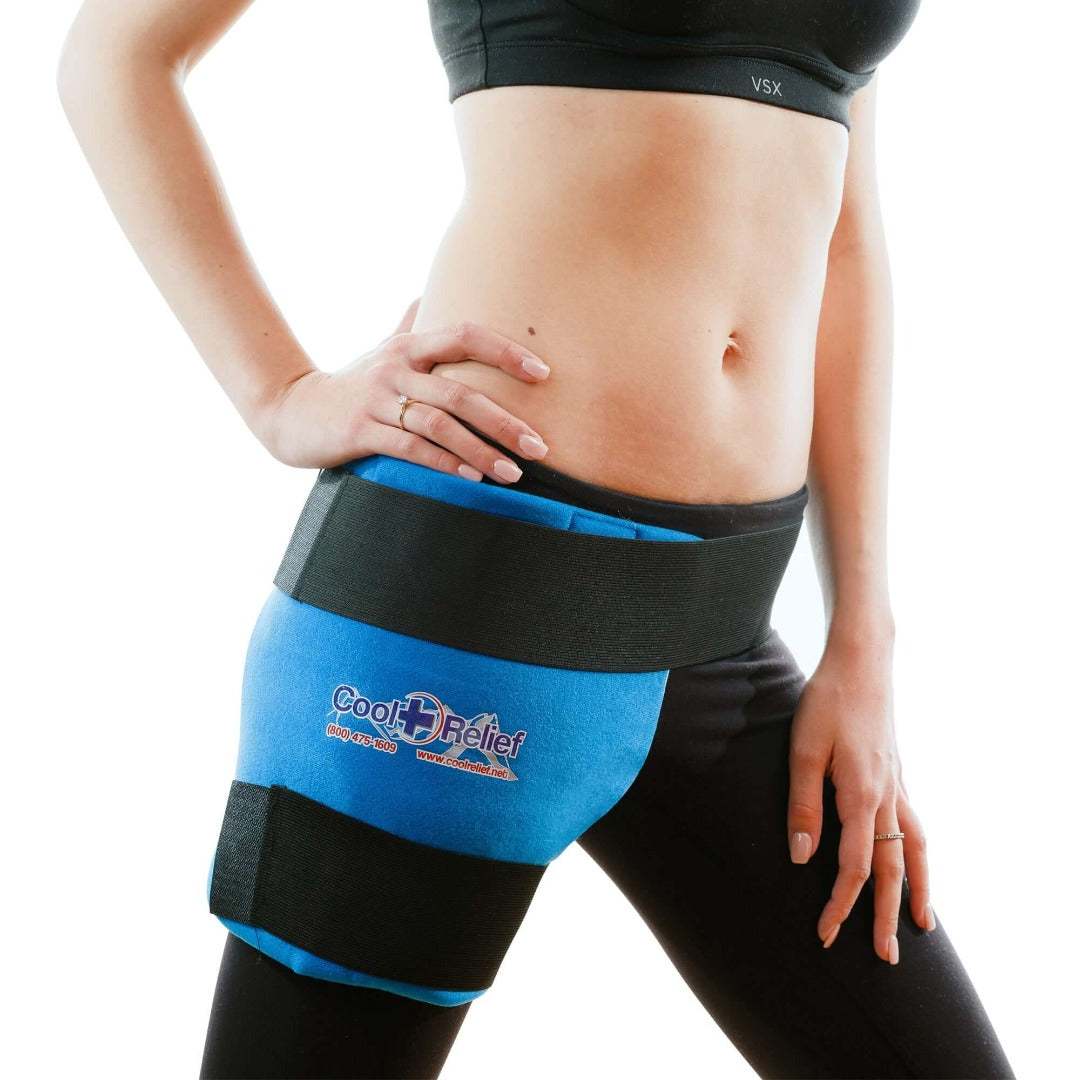
Add a barrier first, every time. Wrap the cold source in a thin towel, a pillowcase, or a T-shirt before it touches your skin. Even soft gel packs can drop skin temperature to damaging levels with prolonged contact, so “it feels soft” is not the same as “it’s safe” for direct skin exposure, according to the Cleveland Clinic.
Position it correctly. Most adductor strains hurt somewhere between the inner thigh and the pubic bone. Center the pack over that area, not lower. Never let ice sit directly against the scrotum or testicles.
Secure it with gentle pressure. Compression shorts or a loosely wrapped elastic bandage will hold the pack in place and add mild compression, which helps control swelling. Check your skin and circulation every 10 minutes.
- Set a timer so you don’t overdo it
- Check the skin color and feeling at the 10 minute mark
- Note whether pain eases, stays the same, or worsens after each session
Pro Tip: Log your pain level (0 to 10) before and after each icing session for the first two days. If the number isn’t dropping by day three, that’s your cue to call a clinician instead of just icing longer.
How Long and How Often Should You Ice a Groin Injury?
The timing schedule matters as much as the technique. Ice too little and you won’t control swelling; ice too long or too often and you risk skin damage without any added benefit.
- First 24 to 48 hours: apply cold for 10 to 20 minutes at a time, every 1 to 3 hours while you’re awake, based on guidance from the Cleveland Clinic and similar instructions from Kaiser Permanente, which recommends icing every 1 to 2 hours for the first two to three days.
- After 48 hours: cut back to a few sessions a day, only as needed for pain, rather than a fixed hourly schedule.
- Overnight: skip continuous icing while you sleep. Set a session for right before bed instead, and let your body rest through the night.
Plan icing around your day instead of the other way around. A session before work, one at lunch, and one in the evening usually covers the first two days without disrupting much.
What Safety Rules Prevent Ice Burns and Circulation Problems?
Most icing mistakes come down to skipping the barrier or leaving the pack on too long. Both are easy to avoid once you know the rule.
- Always place a thin towel or cloth between the cold source and your skin, even with a gel wrap, per Cleveland Clinic guidance
- Cap each session at the recommended minutes. Don’t stretch a 20 minute application to “make it work faster”
- Stop immediately if you notice numbness, tingling, or the skin turning white, blue, or unusually red
- Never apply ice directly to the testicles or any area with reduced sensation
- Keep compression snug, not tight. If your toes go numb or tingle, loosen the wrap
A quick number worth remembering: the recommended window is 10 to 20 minutes per application, repeated every 1 to 3 hours during the first day or two, according to the Cleveland Clinic. Going beyond that range doesn’t speed healing. It just raises your risk of skin injury.
When Should You Switch From Ice to Heat for a Groin Strain?
Heat has a place in groin strain recovery, but only once the acute swelling has settled, usually somewhere in the 48 to 72 hour range. Applying heat too early can make swelling worse, since it increases blood flow to tissue that’s already inflamed.
- Switch to heat once swelling has visibly gone down, typically two to three days after the injury, per Kaiser Permanente’s care instructions
- Apply heat for 10 to 15 minutes, with an insulated cover between the heat source and skin
- Never use heat on tissue that’s still actively swollen
- Never sleep with a heating pad against your skin, based on guidance from MyHealth Alberta
Some people find alternating cold and heat sessions useful once they’re past the acute phase, using cold after activity and heat before stretching. Others do better sticking with a clean staged approach: ice only for two to three days, then heat only from that point forward. Either works, as long as you’re not applying heat while swelling is still active.
When Does a Groin Strain Need Medical Attention?
Most groin strains respond to home care, but a few warning signs mean you need more than ice and rest.
- Seek care immediately if you can’t walk, notice rapidly spreading bruising, have severe swelling, feel numbness, or notice a real loss of strength in the leg.
- See a primary care doctor or sports medicine provider if there’s no improvement after a few days, if the strain keeps recurring, or if weakness lingers longer than expected.
- Expect a physical exam first. If a clinician suspects a tendon tear or avulsion, based on marked weakness, visible deformity, or a large hematoma, they’ll typically order an ultrasound or MRI to confirm it before deciding whether physiotherapy or surgery is the right next step.
How Long Does a Groin Strain Take to Heal?
Most acute adductor strains heal in about 4 to 8 weeks, with mild cases often on the faster end of that range. Grade 3 tears or tendon avulsions are a different story. Those can take several months and sometimes require surgery.
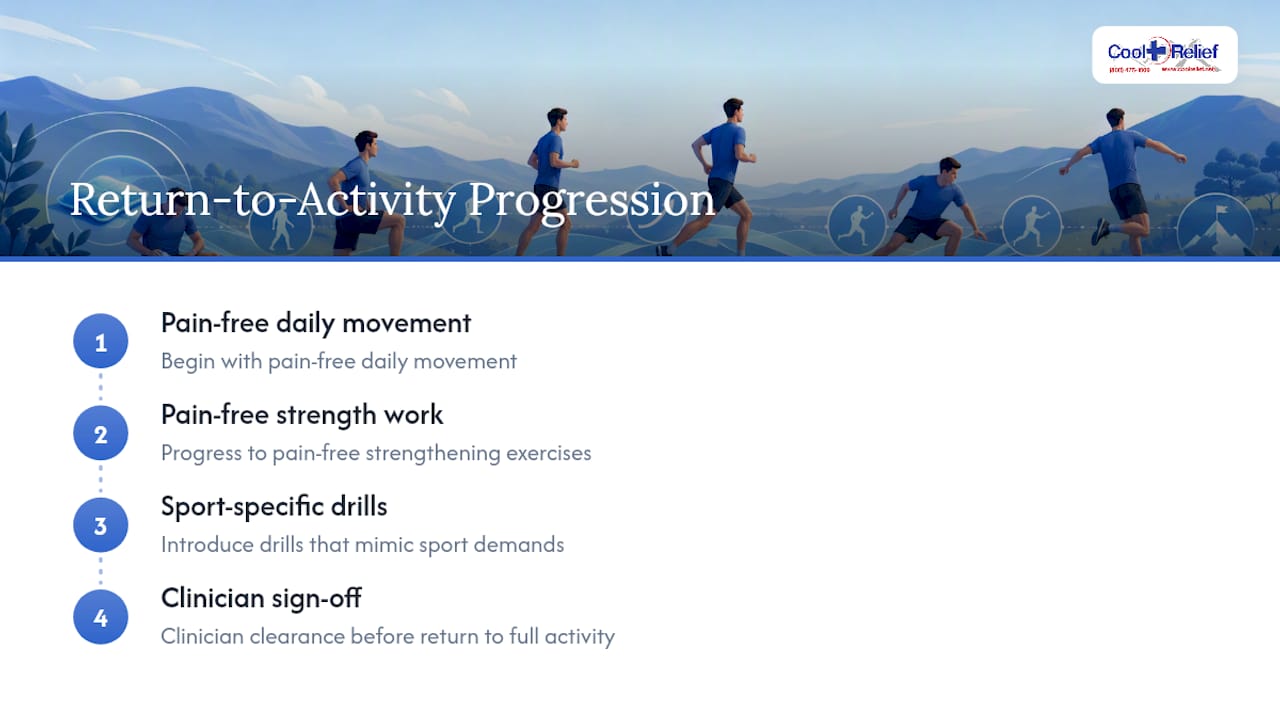
Icing controls pain and swelling early on, but it’s not a stand alone fix. Structured rehab is what actually prevents the strain from coming back, and physiotherapists consistently frame ice and heat as supporting tools rather than the main event. A practical progression looks like this: pain free daily movement first, then pain free strength work, then sport-specific drills, and finally a clinician’s sign-off before returning to full activity.
What We’ve Learned From Helping People Ice Injuries Correctly
Loose ice packs slide off the groin constantly, which is exactly why so many people give up on icing too soon or apply it inconsistently. A soft-gel wrap that contours to the inner thigh solves that problem by staying put, which means you actually get the full 10 to 20 minutes instead of readjusting a bag of peas every two minutes.
The biggest mistake we see isn’t overicing. It’s undericing because the setup was too annoying to repeat every few hours. Check your skin at each 10 minute mark, track whether your pain score is actually dropping, and talk to a clinician if a strain isn’t improving within a few days.
— Cool Relief
Find the Right Wrap for Groin and Adductor Icing
Getting the placement and barrier right matters, but so does the equipment. A loose ice pack that keeps sliding off your inner thigh works against every timing rule covered above. The Soft Gel Hip Ice Pack is built to contour around the hip and groin region, so it stays positioned over the adductor area through a full 10 to 20 minute session instead of shifting every time you move.
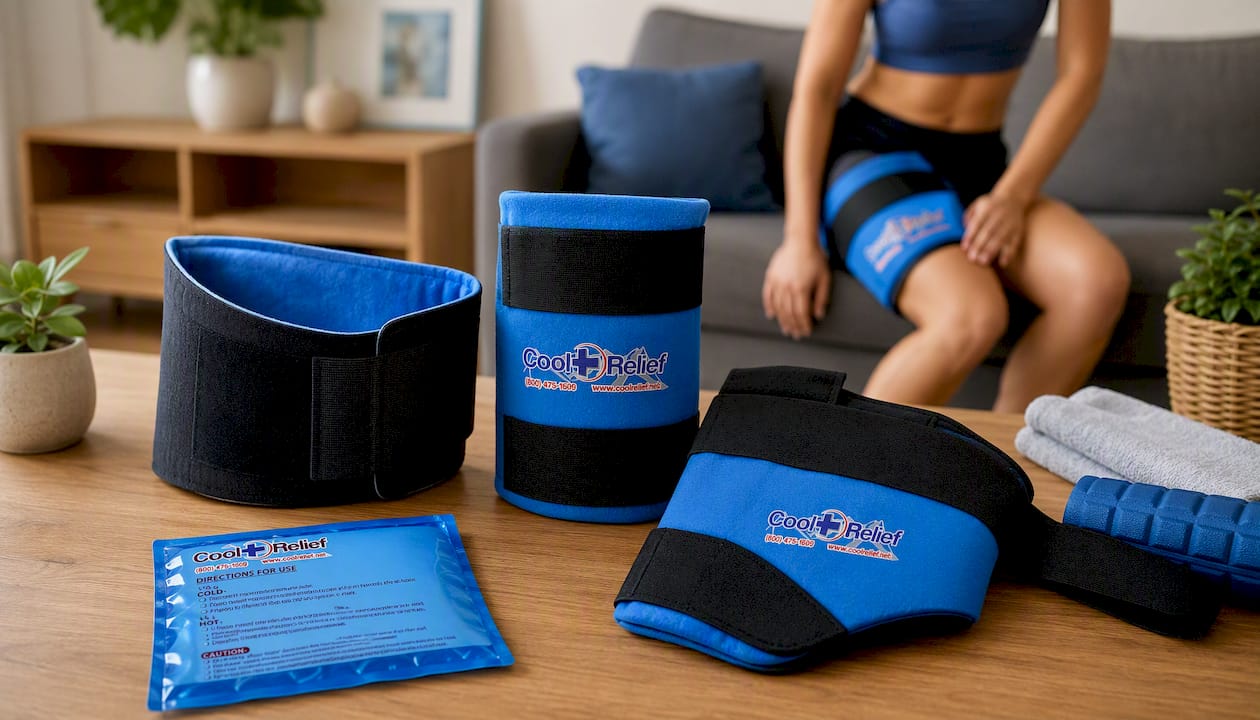
If your discomfort extends into the lower back or pelvis, the Soft Gel Back Heat Wrap gives you both cold and heat in one wrap, useful once you’ve moved past the acute swelling phase. And if you want a smaller, more affordable gel pack that still holds a secure shape, the Knee Ice Pack Soft Gel is a solid universal option, even though it’s sized for the knee. All three use the same soft-gel technology, which stays flexible in the freezer instead of turning into a solid, uncomfortable block. Browse the Soft Gel Hip Ice Pack product page to see sizing details and get one on the way before your next icing session.
This article is general information, not a substitute for advice from a qualified doctor. Consult a qualified healthcare professional about your own circumstances before acting on anything here.
Sources
- Groin Strain: Causes, Symptoms, Tests & Treatments — Cleveland Clinic
- Adductor strain and groin injuries — NCBI (clinical text)
- Groin strain: care instructions — Kaiser Permanente
FAQ
How Do I Quickly Ease a Groin Strain?
Ice the area for 10 to 20 minutes with a thin cloth barrier, rest the leg, and add light compression right after the injury. This combination, sometimes called PRICE (protection, rest, ice, compression, elevation), controls swelling fastest in the first 24 to 48 hours.
How Can I Tell if My Groin Is Pulled or Torn?
A pulled muscle (a mild to moderate strain) usually causes soreness, tightness, and some pain with movement, but you can still walk and bear weight. A torn muscle, especially a grade 3 tear or tendon avulsion, often causes sudden sharp pain, visible bruising, noticeable weakness, and difficulty walking, and it typically needs a clinical exam plus imaging like ultrasound or MRI to confirm.
What Should I Avoid Doing With a Pulled Groin Muscle?
Don’t stretch or push through pain in the first few days, skip the cloth barrier when icing, or apply heat while swelling is still active. Avoid sleeping with a heating pad directly on your skin, and don’t return to sport or heavy activity before a clinician clears you.
How Long Will a Strained Groin Take to Heal?
Most acute groin strains heal in 4 to 8 weeks with consistent icing, rest, and progressive rehab. Severe grade 3 injuries or tendon avulsions can take several months and sometimes require surgical repair.
Should I Use Ice or Heat First for a Groin Strain?
Start with ice for the first 24 to 48 hours to control swelling, then switch to heat once the swelling has visibly gone down, usually around the 48 to 72 hour mark. Using heat too early on swollen tissue can make inflammation worse instead of better.
Share and get 15% off!
Simply share this product on one of the following social networks and you will unlock 15% off!