


For a throbbing, pulsing migraine, reach for cold. For a tight, band-like tension headache, reach for heat. For sinus pressure, alternate between the two. Apply for a short session with a thin towel between the pack and your skin, and check in on how your head feels every few minutes. Cool Relief makes purpose-built head, eye, and neck wraps designed for exactly this kind of at-home relief.
TL;DR:
- Cold therapy effectively reduces migraine throbbing by constricting blood vessels and numbing pain within minutes, but should be used with a barrier and limited duration.
- Heat therapy relaxes tense muscles and increases circulation, making it ideal for tension headaches caused by muscle tightness, but should be avoided with swelling or inflammation.
- Alternating heat and cold cycles can provide relief for sinus headaches by loosening mucus and numbing facial pain, following short, timed intervals.
- Proper application techniques, including session timing, targeting specific areas, and using barriers, are crucial to avoid skin damage and maximize headache relief.
- When symptoms include severe or sudden pain, confusion, or neurological signs, immediate medical attention is necessary beyond home temperature therapies.
Table of Contents
- Which Temperature Matches Your Headache Type
- How Cold Therapy Calms a Throbbing Headache
- Why Heat Eases Tension and Neck-Related Pain
- How to Apply Ice or Heat Without Making Things Worse
- When a Headache Needs More Than Ice or Heat
- Cool Relief’s Perspective on Picking the Right Pack
- Featured Cool Relief Products for Headache Relief
- Sources
- FAQ
Which Temperature Matches Your Headache Type
Headaches aren’t one condition, so “headache ice or heat” doesn’t have one universal answer. The right call depends on what’s actually happening inside your skull, and the pain quality itself is usually your best clue.
Migraine headaches show up as throbbing or pulsing pain, often on one side, paired with nausea and sensitivity to light or sound. That pounding sensation points to blood vessel activity, which is exactly what cold therapy is built to calm. NINDS’s migraine overview lists temperature therapy among the nonpharmacologic tools worth trying. Place a cold pack on your forehead, temples, or the back of your neck.
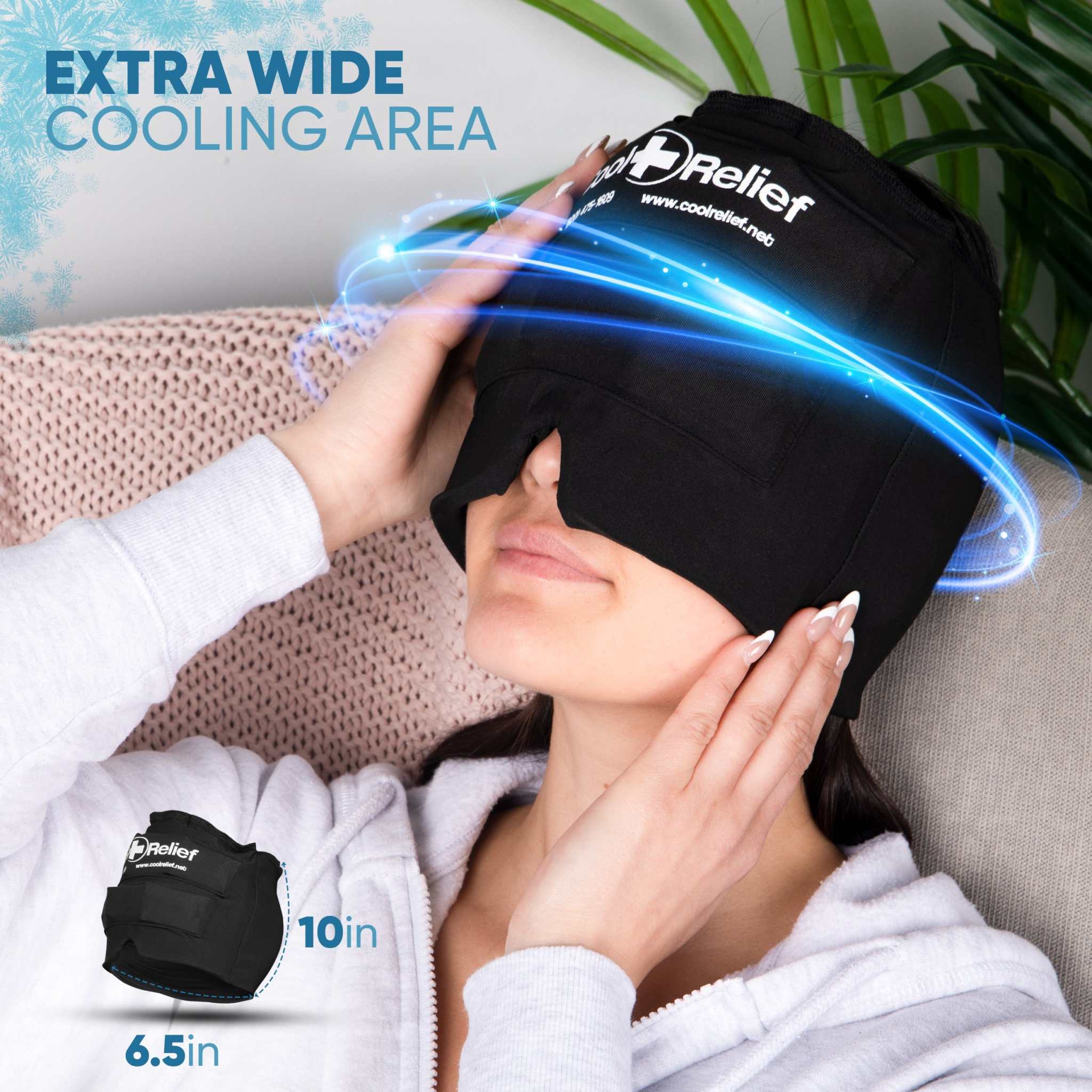
Tension-type headaches feel different. Think a tight band squeezing your skull, plus stiff shoulders and a sore neck. That’s muscle tightness, not vascular throbbing, so heat is the better tool. The NHS’s guidance on tension headaches specifically recommends heat for headaches tied to muscle tension. A warm pack across the neck and base of the skull works well here.
Sinus headaches bring facial pressure, congestion, and pain that worsens when you bend forward. Here’s where you use both: heat first to loosen thickened mucus, then a brief cold application to numb the ache.
- Migraine: cold on forehead, temples, or back of neck
- Tension headache: heat on neck, shoulders, and base of skull
- Sinus headache: heat first, then cold, in short cycles
How Cold Therapy Calms a Throbbing Headache
Cold works through vasoconstriction. It narrows the blood vessels near the skin and in surrounding tissue, which tends to quiet the swelling and pulsing sensation behind migraine pain. Cold also numbs the local nerve endings, slowing down how fast pain signals travel to your brain.
Cold therapy is often recommended for throbbing headache pain. Mayo Clinic’s guidance on temperature therapy lists hot or cold packs applied to the head or neck as a self-care option worth trying for migraine, and a review published on PubMed Central notes that cold and heat work through distinct mechanisms, with individual response varying from person to person.
The upside is speed: cold tends to bring noticeable numbing within minutes. The downside is comfort. Direct ice contact can sting or even injure skin if left in place too long, which is why Harvard Health’s guidance on cold therapy stresses keeping a barrier between ice and skin and limiting session length.
Why Heat Eases Tension and Neck-Related Pain
Heat does the opposite of ice. It relaxes tight muscle fibers and widens blood vessels, which increases blood flow to stiff, overworked tissue in your neck and shoulders. That extra circulation helps flush out the buildup that keeps muscles locked in a tense, aching state.
This is exactly why heat suits tension headaches so well. When your pain comes from muscle tightness rather than vascular throbbing, heat addresses the actual cause instead of just numbing the symptom. Cleveland Clinic’s overview of tension headaches recommends hot or cold compresses as home treatments, and the NHS points to heat specifically for muscle-driven cases.
One caution: heat isn’t the right call for fresh swelling or an acute injury, since it can encourage more inflammation rather than less.
- A warm shower aimed at the neck and shoulders
- A heating pad placed across the base of the skull
- A warm compress wrapped around the neck for a short session
How to Apply Ice or Heat Without Making Things Worse
Getting the temperature right only gets you halfway there. How you apply it determines whether you get relief or a new problem.
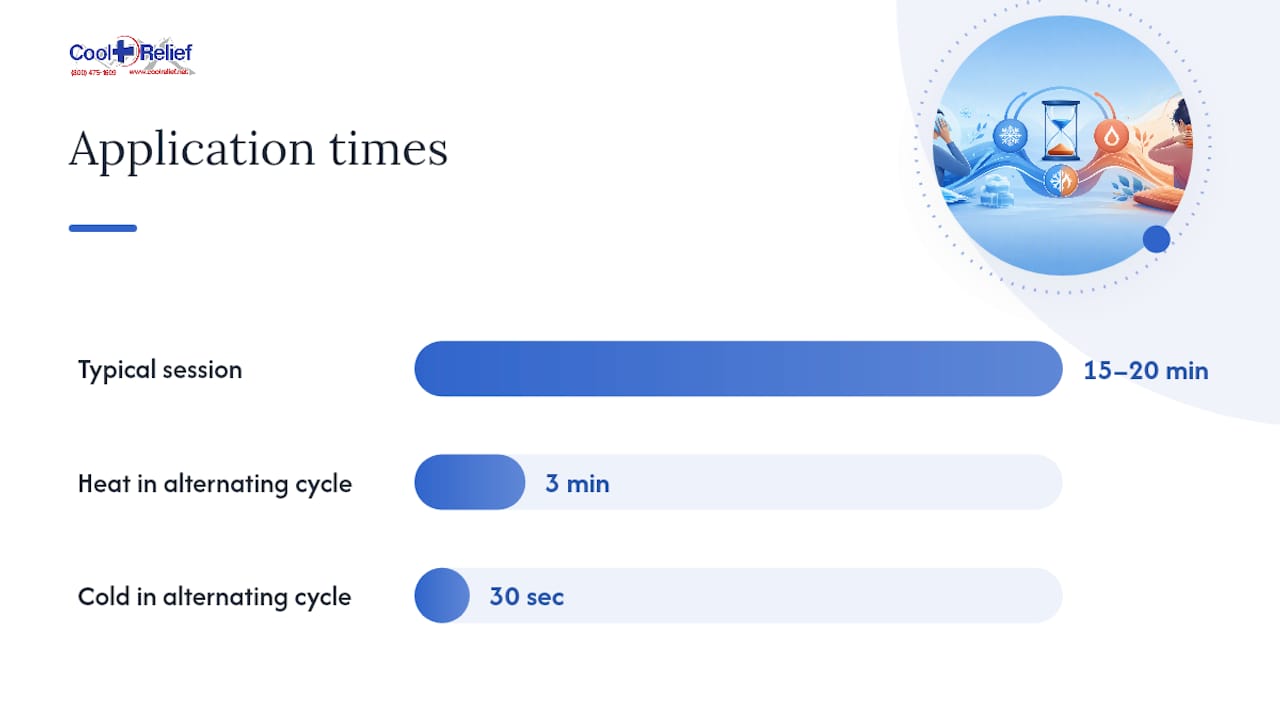
- Time each session. Stick to roughly 15 to 20 minutes on, then give your skin a break before reapplying. If you have reduced sensation or a circulatory condition, shorten sessions and check your skin more often.
- Always use a barrier. Wrap any ice or heat pack in a thin towel before it touches your skin. Direct contact, especially with ice, raises the risk of skin damage.
- Target the right spot. Forehead and temples for migraine throbbing, back of the neck for tension, and a dedicated eye pack for pressure around the eyes and sinuses.
- Try the alternating protocol for sinus pain. Everyday Health’s guidance on sinus relief outlines a short cycle: about 3 minutes of heat to loosen congestion, then 30 seconds of cold to numb the ache, repeated for 2 to 3 rounds.
- Watch for trouble signs. Stop immediately if you notice redness that doesn’t fade, numbness that lingers after removal, or if your headache gets worse instead of better.
Pro Tip: Keep two packs ready, one chilled and one warmed, if you’re prone to sinus headaches. Switching between them without a delay makes the alternating protocol far easier to stick to.
If you’re dealing with muscle-related neck tightness alongside your headaches, a therapeutic neck massage technique can complement heat therapy well.
When a Headache Needs More Than Ice or Heat
Temperature therapy handles a lot of everyday headache pain, but certain symptoms mean you need medical attention instead of a home remedy. Get help right away for a sudden, severe headache unlike any you’ve had before; any headache paired with confusion, slurred speech, or weakness on one side; a fever with a stiff neck; or a headache following a head injury.
Frequent or recurring headaches, even without those red flags, are worth mentioning to a doctor. Patterns that disrupt your week deserve a look at preventive options beyond ice packs and heating pads. If you’re combining temperature therapy with over-the-counter pain relievers, follow the label dosing and check with a clinician if you’re using them often.
Cool Relief’s Perspective on Picking the Right Pack
The shape of the pack matters as much as the temperature. A full head wrap gives you broad coverage across the forehead and temples for migraine throbbing. A smaller eye pack targets pressure right around the eyes and sinuses, where a bulkier wrap just gets in the way. A wearable cooling bandana keeps working while you’re up and moving, which matters if lying still with a pack on your forehead isn’t realistic on a workday.
Cool Relief builds these in soft gel, so a single pack flexes for cold or heat use and reshapes to your head instead of sitting stiff. If headaches keep coming back on a regular basis, that pattern is worth raising with a clinician.
— Cool Relief
Featured Cool Relief Products for Headache Relief
Cool Relief’s soft gel technology means one pack handles both jobs: freeze it for migraine throbbing, or warm it for tension and sinus pressure, all with the same barrier and timing rules covered above.
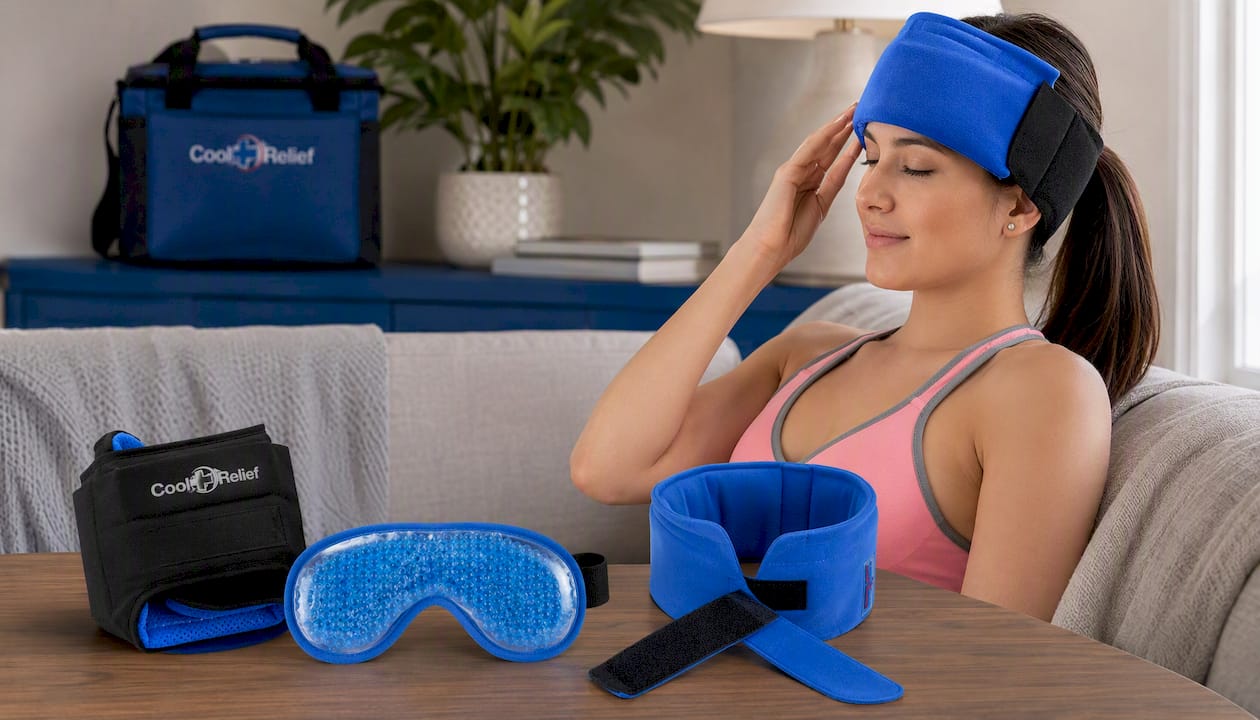
The Soft Gel Migraine Ice Pack wraps around the forehead and temples, giving broad, even coverage for throbbing migraine pain. For a smaller, more targeted option, the Soft Gel Eye Ice Pack fits neatly around the eyes and sinus area, ideal for short, focused sessions. If you need to stay mobile while treating your headache, the Refreezable Cooling Ice Bandana wraps around your head or neck and stays put through daily tasks. Browse the full head and neck ice wrap collection to find the shape that matches your headache pattern, then check the product page for sizing and care details before you order.
This article is general information, not a substitute for advice from a qualified doctor. Consult a qualified healthcare professional about your own circumstances before acting on anything here.
Sources
- Mayo Clinic — Try temperature therapy: Apply hot or cold packs to your head or neck
- NINDS — Migraine information
- NHS — Tension headaches guidance
- PubMed Central review article
FAQ
How do you get rid of a headache fast?
Apply a cold pack to your forehead or temples for migraine-type throbbing, or a warm pack to your neck and shoulders for tension pain, for about 15 to 20 minutes with a towel barrier.
What is the finger trick for headaches?
It’s a pressure-point technique where you press your thumbs into the base of your skull or temples for a minute or two, though it isn’t a substitute for clinically backed temperature therapy or medication.
What drink helps a headache?
Water is the most reliable option since dehydration is a common headache trigger; caffeine in small amounts can help some tension headaches but may worsen others.
Is ice or heat better for a sinus headache?
Neither alone works as well as alternating between them. Try short periods of heat to loosen congestion, followed by brief cold to numb the pain, repeated for several cycles.
Can I use heat and ice on the same headache?
Yes, especially for sinus or mixed-cause headaches. Alternating heat and cold in short cycles addresses both congestion and pain, though migraine and pure tension headaches usually respond better to one temperature alone.
Share and get 15% off!
Simply share this product on one of the following social networks and you will unlock 15% off!