


Topical heat from a reusable soft gel wrap works for muscle cramps caused by tightness, spasm, or DOMS, and it works fast when you apply it warm, not hot, for 15 to 20 minutes at a time. Heat relaxes the muscle and gets blood moving into the area. Skip it on fresh injuries, swollen or infected tissue, or skin that’s numb.
TL;DR:
- Heat therapy is effective for chronic muscle stiffness, spasms, and DOMS but should be avoided during the first 48 hours after an acute injury.
- Sessions should last 15 to 20 minutes at a temperature below 113°F to prevent burns, with cautious use for those with nerve damage or poor circulation.
- Temperature control, proper fit, and durability are key features that determine the effectiveness and safety of a reusable heat wrap.
- Planning heat application before workouts or immediately afterward can enhance flexibility and reduce soreness more effectively than delayed use.
- Individuals with swelling, infections, recent surgeries, or certain health conditions should consult a doctor before using heat therapy.
Table of Contents
- When Does Heat Actually Help Muscle Cramps?
- How Do You Apply a Reusable Heat Wrap Safely?
- What Should You Look for in a Reusable Heat Wrap?
- What’s the Right Timing for Heat Around Exercise?
- Who Should Check With a Doctor Before Using Heat?
- Why We Build Wraps Around Comfort, Not Just Heat
- Ready to Try a Reusable Heat Wrap for Your Cramps?
- Sources
- FAQ
When Does Heat Actually Help Muscle Cramps?
Heat is the right call for chronic stiffness, muscle spasms, and delayed-onset muscle soreness (DOMS), the deep ache that shows up a day or two after a hard workout. A narrative review of superficial heat therapy found it delivers short-term pain relief and better flexibility in exactly these cases. The reason is straightforward physiology: warmth widens blood vessels, pulls in more blood flow, and calms overactive nerve signals through what’s called TRP-channel activity, the same pathway that makes a hot shower feel instantly soothing on tight shoulders.
Cramps from muscle tightness or overuse respond well to this. A fresh injury does not.
- Use heat for: chronic stiffness, cramping muscles, DOMS, and general tension.
- Skip heat for: the first 48 hours after an acute injury, anywhere with visible swelling, open skin, or a wound that looks infected.
That 48-hour rule matters because heat pulls in more circulation, and more circulation right after an injury can mean more swelling, not less. If you’re not sure whether your cramp is “tight muscle” or “something torn,” treating it like a fresh injury and reaching for ice instead is the safer bet until it’s clear.
How Do You Apply a Reusable Heat Wrap Safely?
Keep sessions short. Harvard Health recommends 15 to 20 minutes at a time, with the wrap feeling warm and comfortable rather than hot. Anything above 113°F (45°C) directly against skin raises your risk of a burn, so warming a gel pack in a microwave in short bursts, checking it against your wrist first, beats blasting it until it’s scorching.
Here’s the safe routine, step by step:
- Warm the gel pack according to the product’s instructions, then test it against your inner wrist.
- Place a thin towel or your clothing between the wrap and your skin as a barrier.
- Strap it snug enough to stay put, but not so tight it cuts off circulation.
- Set a timer for 15 to 20 minutes. Don’t fall asleep with it on.
- Check your skin for redness or irritation, then repeat later in the day if the cramp is still tight.
Cedars-Sinai’s guidance on heating pads adds an important caveat: anyone with diabetes, nerve damage, reduced skin sensation, or a recent surgery needs extra caution, since these conditions make it harder to feel a burn forming before it happens.
Pro Tip: Keep two gel wraps in rotation, one warming while the other’s in use, so you’re never tempted to overheat one pack just to save time.
What Should You Look for in a Reusable Heat Wrap?
Not every wrap fits every cramp. A few features separate a wrap you’ll actually reach for from one that ends up in a drawer.
- Fit and coverage. A wrist or ankle cramp needs something contoured and small; a back spasm needs length and width to cover the lumbar area properly.
- Heat delivery and control. Microwaveable soft gel wraps give you consistent, controlled warmth without the overheating risk or cord clutter of electric pads.
- Material and mobility. Flexible gel that molds to a joint lets you keep moving, stretching, or even walking around while the heat works, unlike a stiff, bulky pad you have to lie still with.
- Care and durability. Look for wraps that are easy to wipe down and reheat hundreds of times without losing their shape or heat-holding ability.
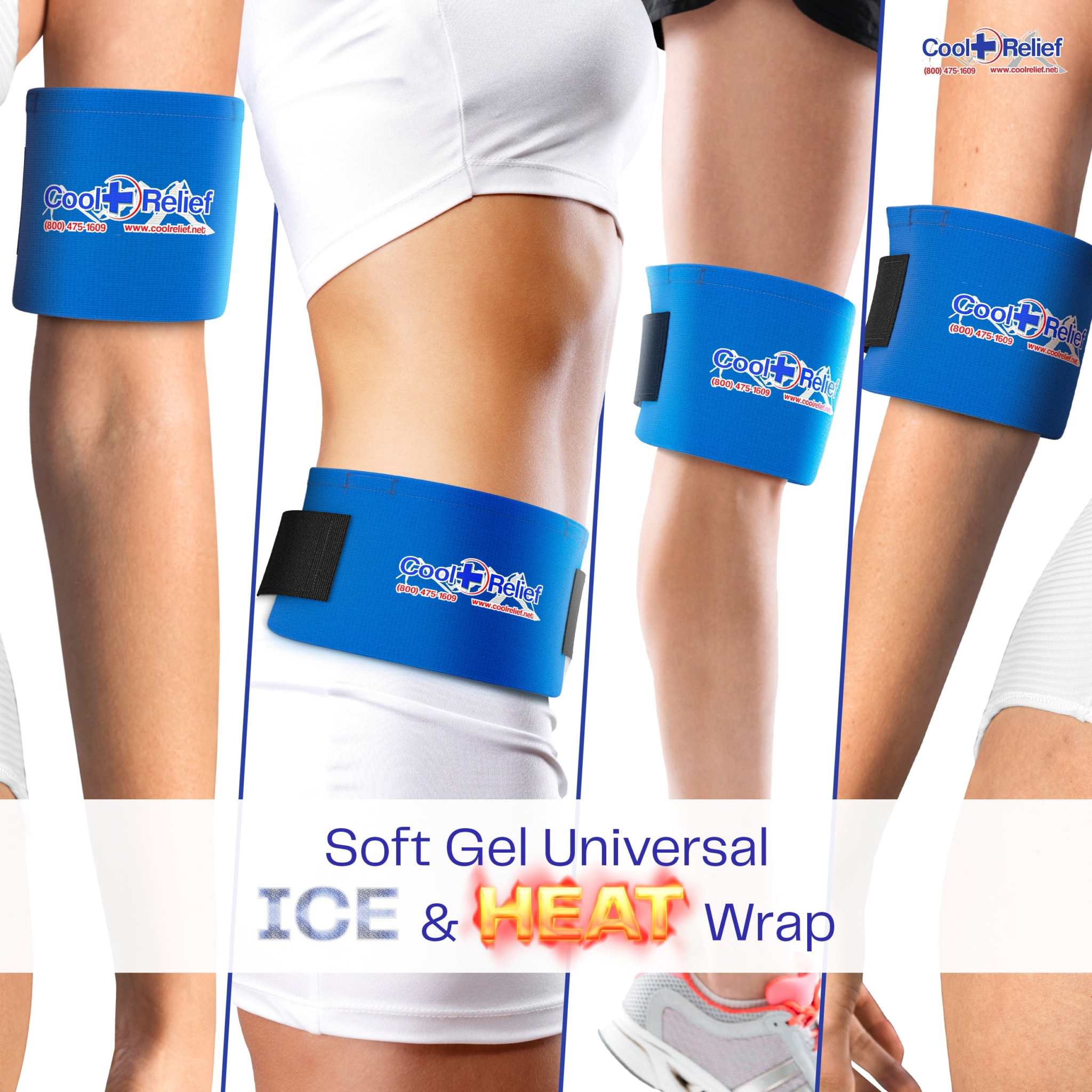
Match the product to the cramp. Wrist or elbow tightness calls for something built specifically for smaller joints, like Cool Relief’s Wrist Ice Pack, which also works reversed for heat therapy on cold days when you just need warmth on a stiff joint. If cramps show up in different spots depending on the week, a Soft Gel Universal Ice and Heat Wrap that shifts between elbow, thigh, ankle, and wrist saves you from buying four separate products. Lower back cramps are their own category, and a dedicated back heat wrap with lumbar shaping covers more surface area than a generic pad ever could.
What’s the Right Timing for Heat Around Exercise?
Timing changes what heat actually does for you, and it’s worth planning around your workout instead of just reaching for a wrap after the fact.
- Before exercise: a short 5 to 15 minute warm-up session on tight muscles can improve flexibility before you start moving.
- Immediately after exercise: this is where DOMS prevention lives. Randomized trials found that low-level continuous heat, applied for around eight hours, reduced soreness more effectively than waiting until the ache sets in the next day.
- Ongoing recovery: if an eight-hour wrap isn’t practical, repeated 15 to 30 minute sessions throughout the day come close, based on the same thermal-dose principle where temperature multiplied by duration drives the recovery benefit.
A weekend athlete might get by with one evening session. Someone training daily benefits more from catching the soreness early, right after the workout, rather than waiting for it to peak.
Who Should Check With a Doctor Before Using Heat?
Heat is safe for most cramps, but a few situations call for caution before you reach for a wrap.
- Skip heat on any area that’s swollen, red, warm to the touch, or shows signs of infection.
- Avoid heat near a surgical site until your surgeon clears it.
- If you have diabetes, neuropathy, poor circulation, or you’re on blood thinners, check with a doctor first, since reduced sensation or slower healing changes how your body responds to heat.
- Get medical care right away if pain suddenly worsens, you develop a fever, you lose function in the area, or you notice pus, streaking redness, or other signs of infection.
If you’re recovering from something like knee surgery, your care team’s timeline for switching from cold to heat always overrides general guidance like this.
Why We Build Wraps Around Comfort, Not Just Heat
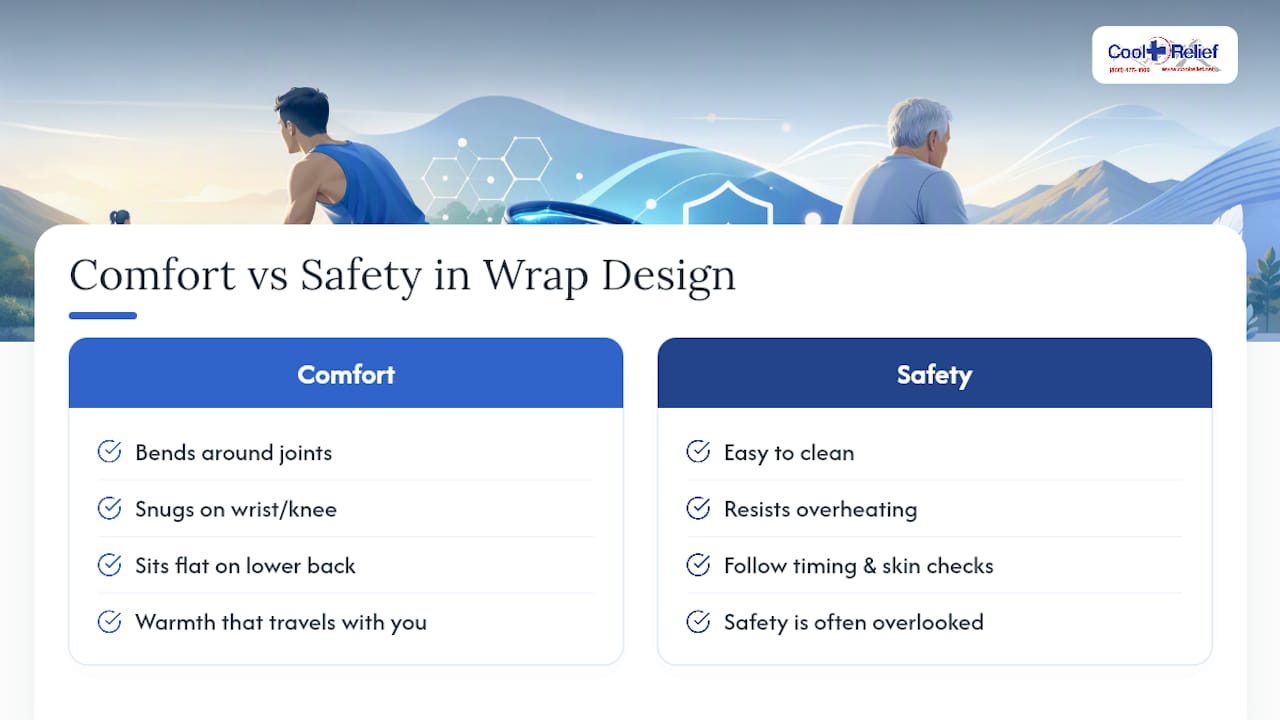
We started Cool Relief because most heat products treat your body like it doesn’t move. A gel wrap should bend around a knee, wrap snug on a wrist, or sit flat against a lower back without you having to hold it in place with one hand while you try to live your life. That’s the whole idea behind soft gel technology: warmth that travels with you instead of pinning you to a couch.
We also believe the safety side of heat therapy doesn’t get talked about enough. A wrap that’s easy to overheat or hard to clean isn’t a good product no matter how good it feels in the first five minutes. Whatever you choose, ours or otherwise, follow the timing and skin checks laid out above. Comfort and caution aren’t opposites here.
— Cool Relief
Ready to Try a Reusable Heat Wrap for Your Cramps?
Cool Relief’s soft gel wraps give you targeted warmth exactly where a cramp lives, without the cords, the overheating risk, or the one-size-fits-nothing feel of a disposable heat patch.
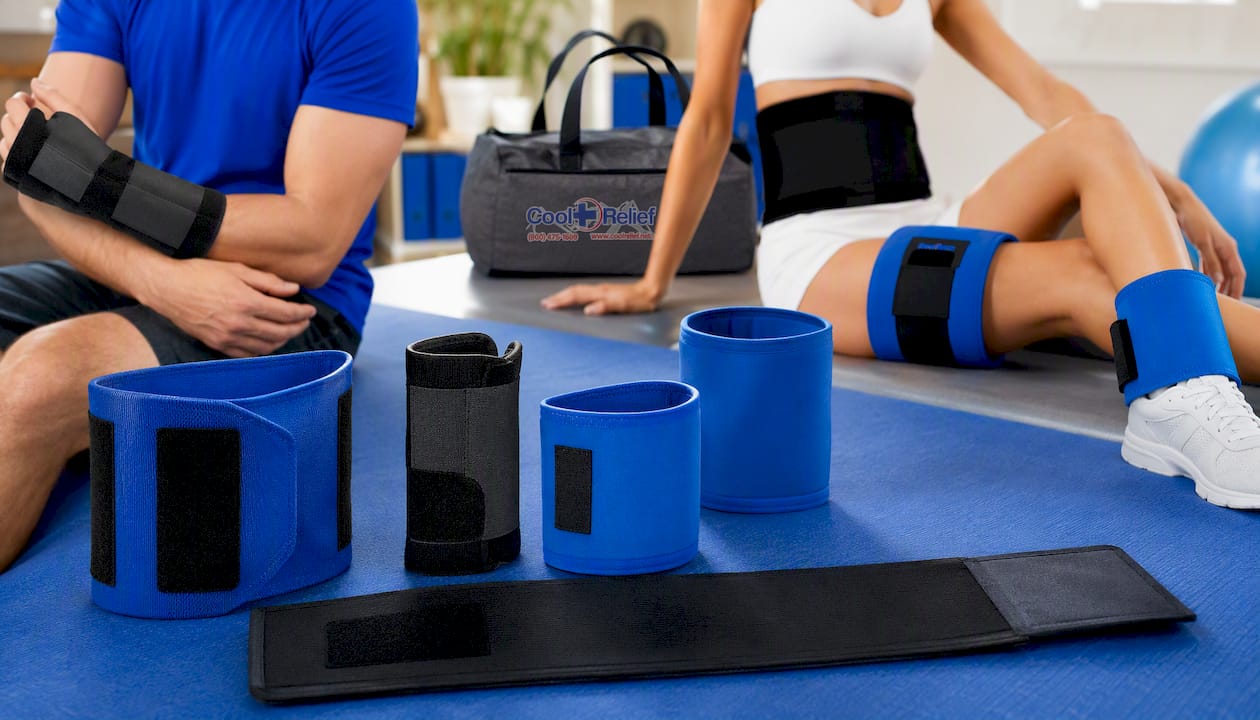
If a lower back spasm is your recurring problem, the Soft Gel Back Heat Wrap is built with lumbar shaping specifically for that. If your cramps move around, an elbow one week, an ankle the next, the Soft Gel Universal Ice and Heat Wrap covers elbow, thigh, ankle, and wrist with one product instead of four. Smaller joint pain, like a cramping wrist after a long day of typing or lifting, fits the compact Wrist Ice Pack better than a full-size pad.
Before you buy, check the sizing guide for your body part, confirm the care instructions match how often you plan to use it, and review the return policy in case the fit isn’t right. Then browse the full lineup of wraps and pick the one that matches where your cramps actually happen, not just what’s on sale.
Sources
- Cold versus heat for pain relief: How to use them safely and effectively - Harvard Health
- Narrative review on superficial heat therapy in musculoskeletal pain (PMC)
- Study: sustained heat treatment reduces DOMS (PubMed)
- How to use a heating pad to heal and ease pain from muscle injuries — Cedars‑Sinai
FAQ
Is Heat or Ice Better for Muscle Cramps?
Heat works best for cramps from muscle tightness, spasm, or DOMS because it relaxes tissue and increases blood flow. Ice is better for the first 48 hours after an acute injury when swelling is the main concern, according to HSS guidance.
How Long Should You Apply Heat to a Cramping Muscle?
Keep sessions to 15 to 20 minutes, with the wrap feeling warm rather than hot. Harvard Health warns that skin temperatures above 113°F (45°C) raise the risk of burns, so shorter, repeated sessions beat one long one.
Can You Use Heat Right After a Workout for Soreness?
Yes, and applying it early can be more effective than waiting for soreness to peak. Trials on low-level continuous heat after exercise found it reduced DOMS more than delayed treatment.
Does Cool Relief Make a Wrap for Cramps That Move Around Different Body Parts?
Yes. The Soft Gel Universal Ice and Heat Wrap is built to fit the elbow, thigh, ankle, and wrist, so one product handles cramps that don’t stay in one spot.
Who Should Avoid Using a Heat Wrap for Cramps?
Skip heat over swollen, infected, or freshly injured tissue, and check with a doctor first if you have diabetes, neuropathy, poor circulation, or you’re on blood thinners. Anyone recovering from surgery should wait for their surgeon’s clearance before applying heat near the site.
Share and get 15% off!
Simply share this product on one of the following social networks and you will unlock 15% off!