


Use ice for active inflammation and painful flares, and save heat for stiffness once the swelling has settled. Ice calms angry, swollen tissue and short bedtime sessions can cut morning pain. Heat loosens tight, noninflamed tissue before stretching. Neither replaces stretching, footwear changes, or a clinician’s plan, but both make daily life more bearable while those fixes take hold.
TL;DR:
- Icing is most effective immediately after inflamed, swollen episodes, with sessions limited to 5 to 20 minutes and applied 2 to 4 times daily.
- Heat should only be used when the foot is stiff without visible swelling or redness, ideally before stretching to improve tissue flexibility.
- Applying ice or heat with appropriate barriers and specific wraps ensures safety and maintains consistent temperature delivery during each session.
- Bedtime cold therapy can significantly reduce morning pain, with a 20-minute session showing about 44% pain reduction in a small study.
- Using heat on a swollen, inflamed heel is counterproductive and may worsen symptoms, so timing of temperature therapy must be carefully managed.
Table of Contents
- When Should You Use Ice vs. Heat for Plantar Fasciitis?
- What Do Mayo Clinic, NYU Langone, and Harvard Say About This?
- How Do You Apply Ice or Heat Safely at Home?
- How Does Temperature Therapy Fit Into Plantar Fasciitis Rehab?
- Choosing the Right Wrap for Ice or Heat at Home
- Our Take: Stop Treating This Like a Coin Flip
- Reusable Wraps Built for Your Ice or Heat Routine
- Sources
- FAQ
When Should You Use Ice vs. Heat for Plantar Fasciitis?
Your foot will tell you which one it needs, if you know what to look for.
Reach for ice when:
- Your heel is red, warm, swollen, or throbbing after being on your feet.
- You just finished a run, a long shift standing, or a walk that flared things up.
- You want to try 20 minutes of cold at bedtime. A small study found this timing cut next-morning pain by about 44% compared to skipping cold or icing in the morning instead.
Reach for heat when:
- Your foot feels stiff and achy but isn’t visibly swollen, red, or hot to the touch.
- You’re about to stretch your calf, Achilles tendon, or plantar fascia and want the tissue looser first.
- You’ve had a flare that has already calmed down and you’re in the “manage the stiffness” phase, not the “put out the fire” phase.
Wrap ice in a thin towel rather than pressing it straight against skin, and keep sessions to 5 to 20 minutes, 2 to 4 times a day. Never apply heat to a foot that’s visibly inflamed. Heating swollen tissue tends to make swelling worse, not better, so that’s one of the few hard rules in this whole topic.
What Do Mayo Clinic, NYU Langone, and Harvard Say About This?
The clinical guidance on ice and heat for plantar fasciitis is more specific than most people expect, and the numbers line up closely across sources.
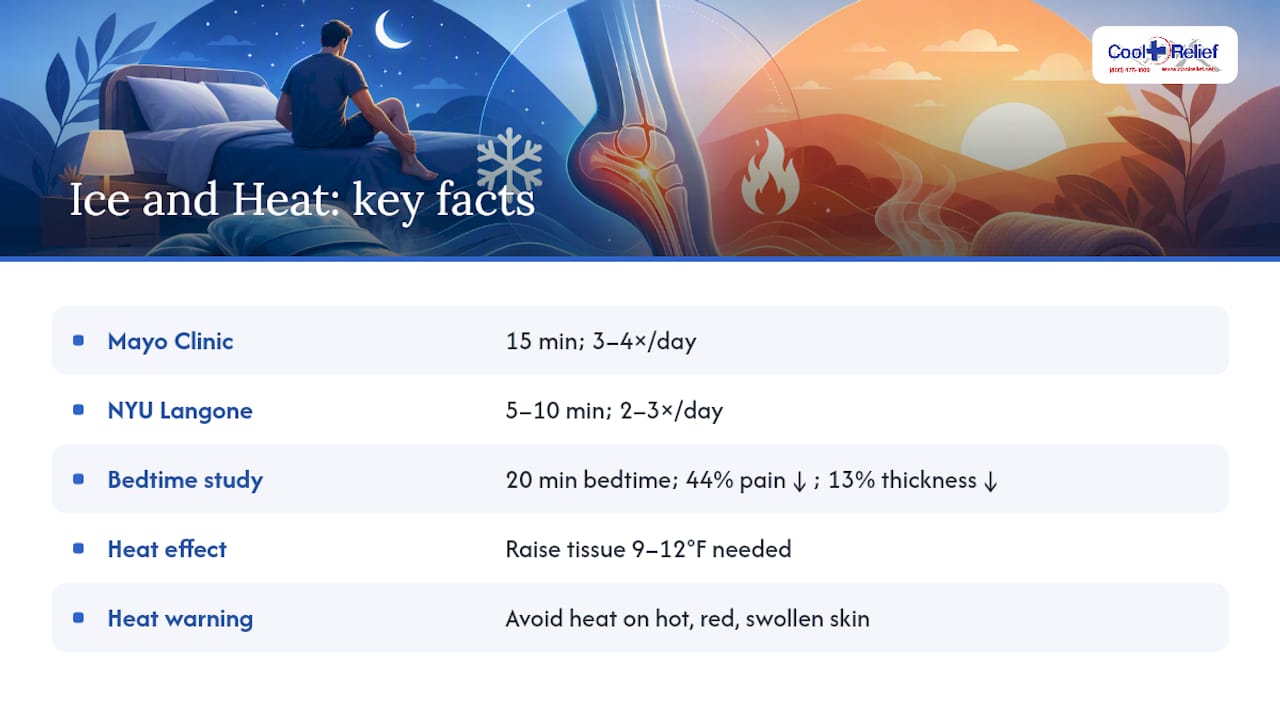
Mayo Clinic recommends icing the heel for about 15 minutes, three to four times a day, as part of a conservative-care plan that helps most people recover within a few months without surgery. NYU Langone gives a slightly different dose: 5 to 10 minutes, two to three times daily, often paired with massage, like rolling the foot over a spiked plastic ball. Both institutions land on the same core idea: short, frequent icing beats one long session.
The bedtime study, by the numbers: in a small controlled trial, 20 minutes of cold applied right before bed reduced next-morning pain by roughly 44% and shrank plantar fascia thickness by about 13%, compared with morning cold or no cold at all. The sample was small, so treat this as a strong, practical clue rather than a guarantee, but it’s a specific enough result to make bedtime icing worth trying.
Heat has its own rulebook. Harvard Health notes that effective heat therapy needs to raise tissue temperature by roughly 9 to 12 degrees Fahrenheit to actually help. Skin temperatures above about 113°F start to hurt, and higher than that risks a burn. Harvard is also blunt about one thing: heat has no place on skin that’s swollen, red, or already hot. That single warning explains why so many people who “try heat and it doesn’t work” are applying it at the wrong stage of a flare.
How Do You Apply Ice or Heat Safely at Home?
Getting the technique right matters almost as much as picking ice or heat in the first place.
For ice:
- Fill a bag with crushed ice or use a gel pack, and wrap it in a thin towel. Never place ice directly on skin.
- Apply for 5 to 20 minutes, repeating 2 to 4 times daily, depending on how your foot responds.
- For an ice massage, freeze a water bottle and roll it under your arch for 5 to 10 minutes.
- If you’re targeting morning pain specifically, try a 20-minute session right before bed and track how your first steps feel the next day.
For heat:
- Use a moist warm towel, a microwaveable gel pack, or a low-level heat wrap.
- Aim for gentle warmth, not hot. You’re trying to raise tissue temperature a few degrees, not cook it.
- Keep skin contact below roughly 113°F, and check your skin every few minutes for the first several sessions.
- Apply heat 10 to 15 minutes before stretching your calf and plantar fascia, never onto tissue that’s currently swollen.
Pro Tip: Keep a barrier layer between your skin and any wrap, ice or heat, for the first minute or two of every session. If you have diabetes, neuropathy, or reduced skin sensation in your feet, talk to a clinician before starting home cold or heat therapy on your own.
Stop and call a clinician if pain worsens, you notice numbness, skin breaks down, or you see no improvement after a few weeks of consistent home care. That’s no longer a temperature-therapy problem.
How Does Temperature Therapy Fit Into Plantar Fasciitis Rehab?
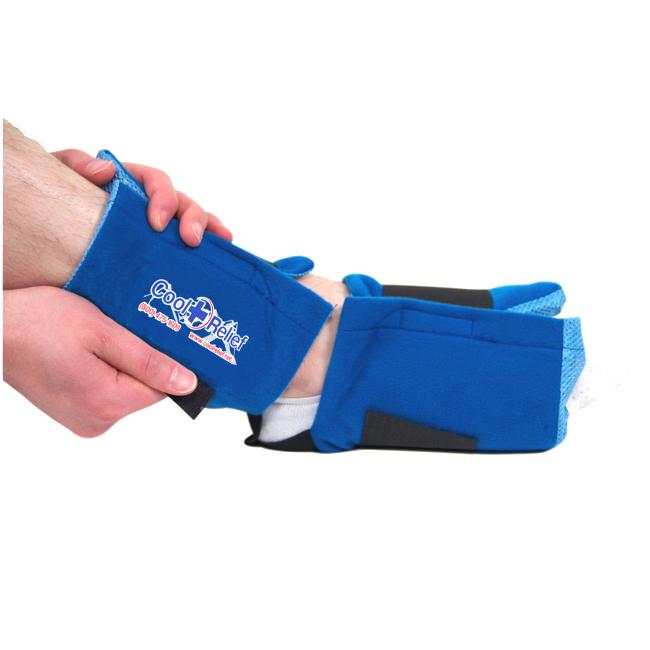
Ice and heat feel like the main event when your heel is throbbing, but they’re really the supporting act. Johns Hopkins Medicine points to stretching the plantar fascia, Achilles tendon, and calf as the actual driver of recovery, with icing playing a supporting role in managing pain and inflammation along the way.
That changes how you should sequence your day:
- Use heat before your stretching routine if your foot feels stiff and cold. Warm tissue stretches more easily than cold, tight tissue.
- Use ice after activity, or during an active flare, to knock down swelling before it snowballs.
- Try bedtime cold specifically if your worst pain hits during those first few steps out of bed each morning.
- Pair either therapy with orthotics, a night splint, or supportive footwear if your clinician has recommended them. Temperature therapy manages the symptoms; those tools address the mechanics.
Most people improve over a matter of months with this kind of layered, conservative approach rather than any single fix. Ice and heat won’t shorten that timeline on their own, but they make the daily grind of stretching and staying active a lot more tolerable while your foot does the slow work of healing.
Choosing the Right Wrap for Ice or Heat at Home
The technique matters, but so does the gear. A wrap that slides off your heel or won’t hold its temperature makes it hard to stick with any of the protocols above.
- A soft gel foot ice wrap shaped to follow the plantar surface can be a practical option for recommended 15- to 20-minute icing sessions, as it generally stays in place better than a loose bag of ice.
- An ankle ice pack targeting the heel and ankle may suit quick post-activity icing after a walk or workout that flares symptoms.
- A small replacement gel pack insert can keep a spare gel core ready, preventing delay between sessions due to refreezing.
| Product | Best for | Session length to pair with it |
|---|---|---|
| Ankle Ice Pack | Post-activity flare relief | 5 to 15 minutes |
| Small Replacement Gel Pack Insert | Back-to-back sessions, repeated daily use | Matches whichever wrap it’s inserted into |
Each wrap uses soft gel that conforms around the heel and arch, so a thin towel barrier still fits comfortably underneath. That combination follows the same safety principle every clinical source in this article agrees on: protect the skin, keep sessions short, and repeat rather than overdo one long stretch of cold.
Our Take: Stop Treating This Like a Coin Flip
Too many people pick ice or heat based on whatever feels good in the moment, then wonder why their plantar fasciitis never really improves. The evidence is more specific than that. Ice belongs at the acute, inflamed, freshly-flared stage, and heat belongs later, once the swelling is gone and stiffness is the real problem. Skipping straight to heat on a hot, swollen heel is one of the more common mistakes we see, and it usually backfires. Treat temperature therapy as symptom management that buys you room to stretch and stay active, not a cure on its own, and check in with a clinician if pain isn’t trending down after a few weeks.
— Cool Relief
Reusable Wraps Built for Your Ice or Heat Routine
Sticking with a 15-minute icing routine four times a day is a lot easier when your wrap actually stays put on your heel instead of sliding around in a plastic bag. That’s the specific problem a shaped gel wrap solves that a bag of ice from your freezer never will.
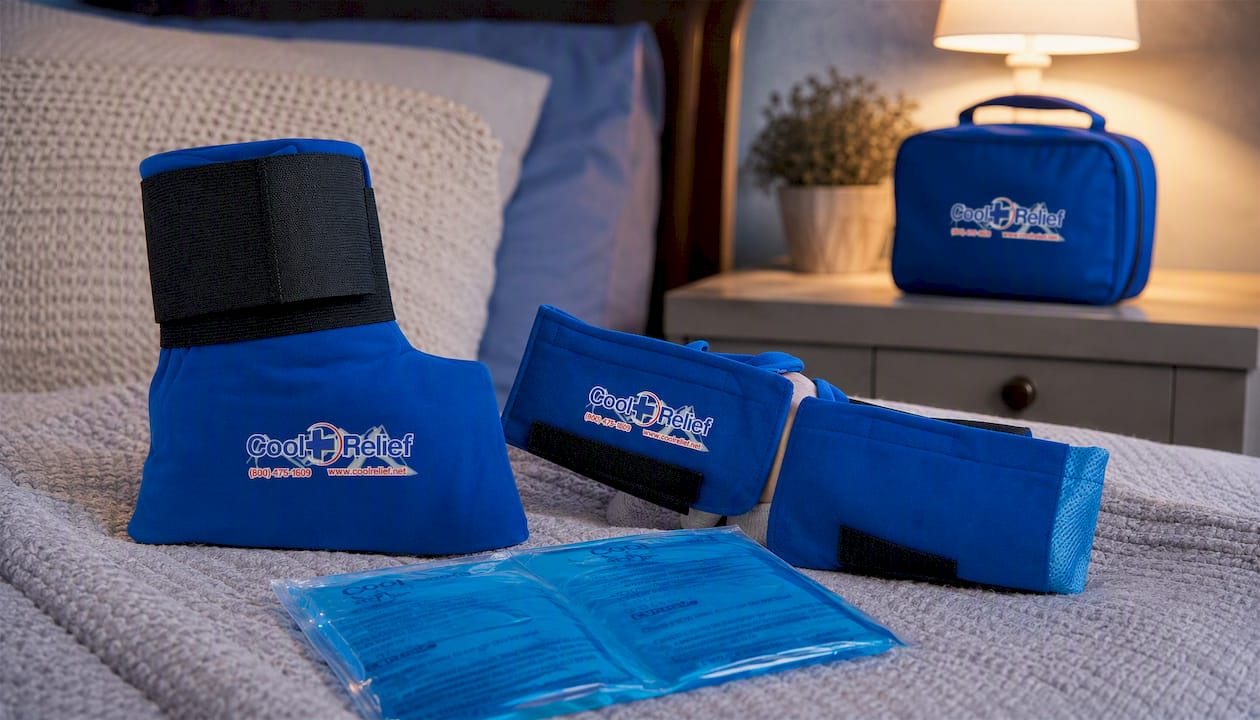
If you’re following the bedtime cold protocol or icing after activity, the Soft Gel Foot Ice Wrap is built to hug the plantar surface for consistent, hands-free application. For a smaller, more targeted option around the heel and ankle, check out the Ankle Ice Pack. Planning on daily use for the next few months? Grab a replacement gel insert so you always have a fresh pack ready. Always use a thin towel barrier and follow the session lengths outlined earlier in this article. Head to the product pages above to find the wrap that fits your routine.
This article is general information, not a substitute for advice from a qualified doctor. Consult a qualified healthcare professional about your own circumstances before acting on anything here.
Sources
- Plantar fasciitis - Diagnosis and treatment | Mayo Clinic
- Nonsurgical Treatment for Plantar Fasciitis | NYU Langone Health
- Cold versus heat for pain relief: How to use them safely and effectively | Harvard Health
- Evidence-based use of cold for plantar fasciitis
FAQ
What Finally Helps Most People With Plantar Fasciitis?
Consistent stretching of the calf, Achilles tendon, and plantar fascia, combined with supportive footwear and short daily sessions of ice or heat, helps most people improve within a few months without needing surgery.
What’s the Worst Thing You Can Do for Plantar Fasciitis?
Ignoring pain and continuing high-impact activity on hard surfaces without addressing tightness is one of the worst moves, and applying heat to a visibly swollen, red, or hot heel can also make inflammation worse.
What Should You Avoid Doing With Plantar Fasciitis?
Avoid walking barefoot on hard floors, skipping stretches, wearing worn-out or unsupportive shoes, and applying ice or heat for longer than recommended without a towel barrier, which raises the risk of skin injury.
What’s the Fastest Way to Ease Plantar Fasciitis Pain?
Icing the heel for 15 to 20 minutes, several times a day, using a wrap like the Soft Gel Foot Ice Wrap or an ice massage with a frozen bottle, gives the fastest short-term relief, especially during an active flare.
Should I Use Ice or Heat First Thing in the Morning?
If your first steps out of bed hurt the most, cold applied the night before tends to help more than morning cold, based on a small controlled study showing reduced next-morning pain and fascia thickness.
Share and get 15% off!
Simply share this product on one of the following social networks and you will unlock 15% off!