


Yes, icing can help during a trigger finger flare. Short, protected cold sessions calm swelling and take the edge off pain, but ice is one piece of a bigger plan that includes splinting and anti-inflammatory medication. Keep sessions brief and watch for numbness or color change. If a finger locks in place or symptoms keep getting worse, it’s time to call a healthcare provider instead of reaching for another cold pack.
TL;DR:
- Small, targeted ice packs are safest and most effective, requiring 5 to 15 minutes per session and proper spacing to avoid tissue damage.
- Cold therapy is best during active inflammation, while heat is preferable for chronic stiffness or prepping for movement, but alternating should be done cautiously.
- Icing is most effective when combined with splinting, NSAIDs, tendon exercises, or steroid injections, which address the underlying irritation over time.
- Signs such as finger locking, worsening symptoms, numbness, or color changes indicate the need for professional medical evaluation rather than home icing.
- Proper application technique, including a barrier, correct pack size, and gentle movement afterward, is essential to prevent frostbite and optimize relief.
Table of Contents
- How Do You Ice a Trigger Finger Safely?
- Ice or Heat: Which One Does Your Finger Actually Need?
- What Else Should You Pair With Icing?
- When Should You See a Doctor Instead of Icing at Home?
- Our Take on Icing and Product Design for Trigger Finger
- Find the Right Cool Relief Wrap for Finger and Wrist Icing
- Where This Guidance Comes From
- Sources
- FAQ
How Do You Ice a Trigger Finger Safely?
Trigger finger happens when the tendon that bends your finger gets irritated and swollen where it passes through a pulley of tissue at the base of the finger, called the A1 pulley. That swelling is exactly what cold therapy targets. Here’s how to do it without causing more harm than good.
- Pick the right size pack. A small, reusable gel pack sized for a wrist or hand works better than a bulky pack meant for a knee or shoulder. If you only have a larger wrap on hand, fold it or use padding so the cold concentrates over the base of the finger instead of spreading across your whole hand.
- Add a barrier. Wrap the pack in a thin towel or cloth before it touches your skin. Direct contact with a gel pack or instant cold pack can cause frostbite in a matter of minutes, especially on thin-skinned areas like fingers.
- Time it right. Ice for 5 to 15 minutes per session, and lean toward the shorter end (5 to 10 minutes) for fingers specifically, since digits have less tissue insulating them from cold. Repeat every 1 to 2 hours during an active flare, according to patient-facing guidance on nonsurgical trigger finger care.
- Skip the tight straps. Secure the wrap snugly enough to stay in place, not so tight it restricts blood flow to the finger.
- Move gently afterward. Once you remove the ice, do a few slow, gentle bends and extensions of the finger. This keeps the tendon gliding and helps prevent the stiffness that comes from a joint sitting still too long.
Pro Tip: Set a timer. It’s easy to leave a cold pack on “for just a few more minutes” while you’re on a call or watching TV, and that’s how skin damage happens.
Stop icing immediately if you notice numbness, a sharp increase in pain, or your finger turning white, blue, or unusually pale. Those are signs the tissue is getting too cold, not too calm. Anyone with circulation issues, diabetes, or nerve conditions should check with a clinician before starting a regular icing routine.
Ice or Heat: Which One Does Your Finger Actually Need?
The two therapies do opposite things to your blood vessels, and that’s the whole reason the choice matters.
- Reach for ice when you’re dealing with a fresh flare: visible swelling, warmth, or a finger that feels acutely sore. Cold narrows blood vessels and slows the inflammatory response, which is what you want in the first day or two of a flare.
- Reach for heat when the issue is chronic stiffness rather than active swelling, or right before you do your stretching and tendon-gliding exercises. Heat widens blood vessels and loosens tissue, making the tendon more pliable, according to clinical guidance on trigger finger treatment.
- Alternating hot and cold sometimes gets recommended, but it isn’t required for everyone. If you try it, don’t overdo the cold side. Prolonged or aggressive icing can actually stiffen the joint further rather than loosen it.
If you’re unsure which one applies to your situation, our guide on choosing heat or cold for tendon pain breaks down the decision by symptom type, and it applies just as well to a finger tendon as a larger joint.
What Else Should You Pair With Icing?
Icing works best as part of a broader conservative-care plan, not as a standalone fix. Here’s what typically gets combined with it.
- Splinting. A night splint or an MCP-block orthosis, worn for around 6 weeks, keeps the joint at rest and often reduces the morning stiffness that makes trigger finger feel worse first thing in the day.
- NSAIDs. Over-the-counter ibuprofen or naproxen can dial down pain and inflammation short-term. Topical NSAID creams exist too, though the evidence supporting them for trigger finger specifically is mixed.
- Tendon-gliding exercises. Gentle range-of-motion movements, done after a brief ice session or after warming up, keep the tendon sliding smoothly through its sheath instead of adhering and catching.
- Steroid injections. When splinting, icing, and NSAIDs don’t resolve things, a corticosteroid injection into the tendon sheath is the primary non-surgical intervention doctors turn to next.
One thing worth knowing before you get frustrated with the timeline: a steroid injection doesn’t always work overnight. Full benefit can take up to a few weeks to show up, and some people need a second injection before symptoms fully settle. Many mild cases of trigger finger improve within weeks of consistent conservative care. Cases that linger or worsen despite that effort usually need a clinician-directed injection, or in more stubborn cases, a small procedure to release the tight pulley.
When Should You See a Doctor Instead of Icing at Home?
Home care has limits, and trigger finger has a few clear signals that tell you it’s time to get a professional opinion rather than keep experimenting on your own.
- A finger that won’t move. A digit that locks in a bent or straight position and won’t release, sometimes described clinically as a locked or “stage 3” presentation, usually needs prompt evaluation from a healthcare provider.
- Symptoms that keep climbing. If pain is getting worse, or your range of motion hasn’t improved after several weeks of splinting, icing, and exercises, that’s a sign conservative care alone isn’t cutting it.
- Numbness, tingling, or color changes. These can point to nerve or circulation involvement that goes beyond a simple tendon issue.
- Signs of infection. Redness that spreads, warmth, or fever alongside finger swelling needs prompt attention, not a heating pad.
A clinician who sees any of these will typically move toward a steroid injection, a needle release procedure, or, for cases that don’t respond to those, a small surgical release of the A1 pulley.
Our Take on Icing and Product Design for Trigger Finger
Icing is a short-term tool for calming a flare, not a cure for the underlying tendon irritation, and we think a lot of the frustration people run into comes from using the wrong-sized pack for the job. A pack built for a knee or a shoulder cools far more surface area than a single finger needs, which makes it tempting to leave it on longer than you should just to feel like it’s “working.” That’s backward. What actually protects your circulation and your skin is a smaller, conformable pack you can position precisely over the base of the finger, with a cloth barrier and a fastening that holds it in place without cinching down. Gel wraps with targeted, adjustable fit are best for cooling the joint that needs it, not your whole hand. Good icing technique is about precision, not intensity.
— Cool Relief
Find the Right Cool Relief Wrap for Finger and Wrist Icing
Icing a single joint like the base of your finger calls for a pack that’s small enough to be precise but stays cold long enough to matter. That’s a different job than icing a knee or a shoulder, and it’s why we built options sized for exactly this kind of targeted relief.
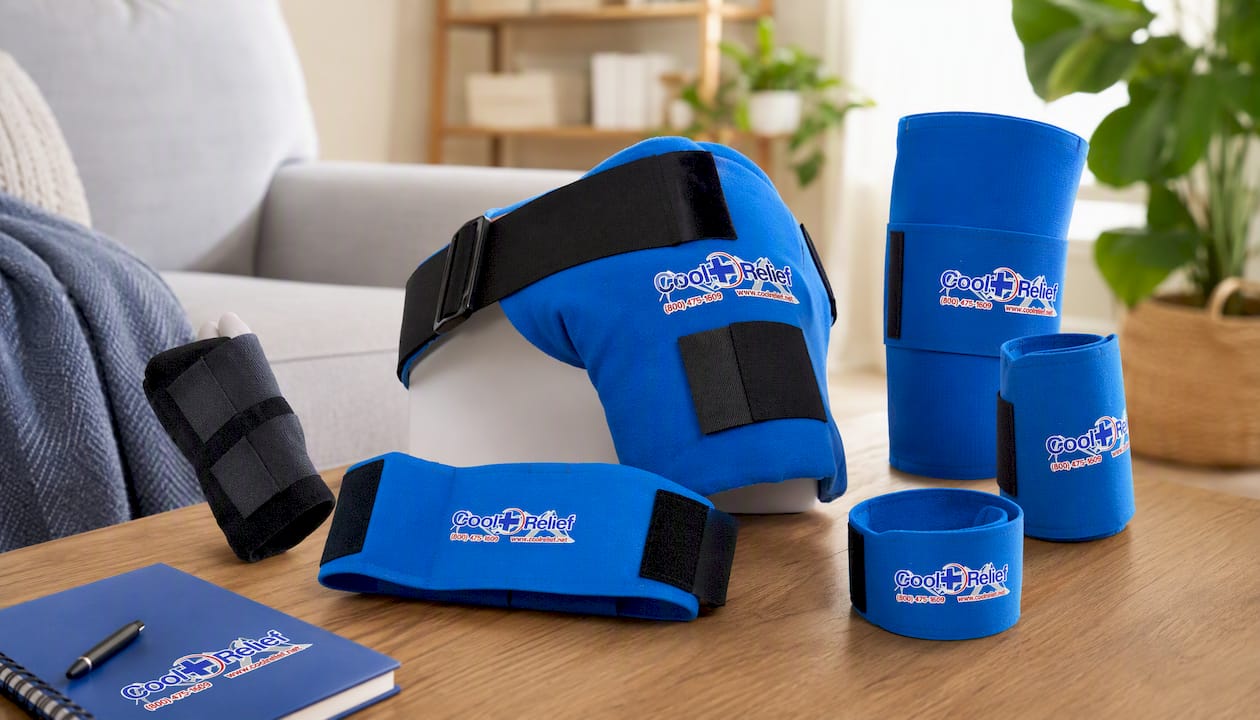
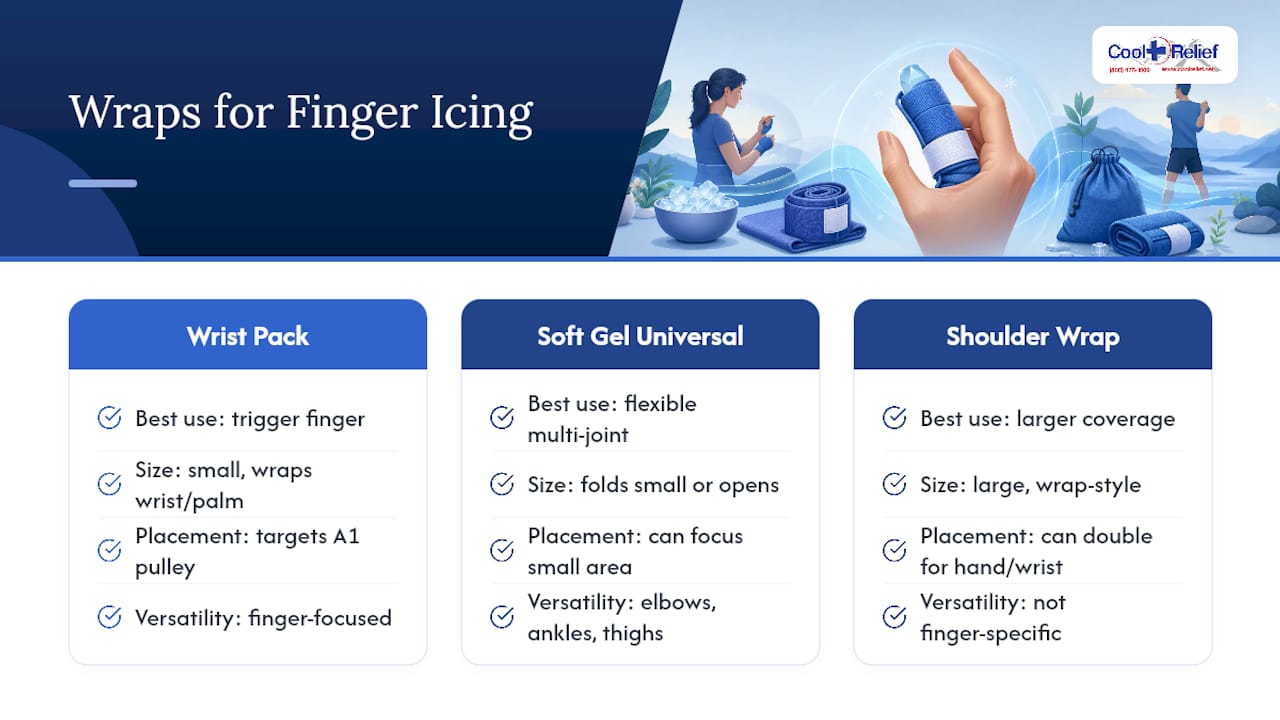
The Wrist Ice Pack is our top pick for trigger finger specifically. It’s small enough to wrap around the wrist and lower palm, letting you position the cold gel right over the A1 pulley at the base of the affected finger without icing your entire hand. If you want more flexibility to treat other joints too, the Soft Gel Universal Ice and Heat Wrap folds down to focus on a small area or opens up for elbows, ankles, and thighs, so one wrap covers your finger flare today and a sore knee next month. For readers who prefer a larger wrap-style pack, the Soft Gel Shoulder Ice Wrap is versatile enough to double up on hand and wrist coverage, though it’s not built specifically for finger work.
When you’re choosing, look for a small refreezable gel core, a secure but adjustable fastening, and a washable cover you can keep clean between flares. For more on matching wrap size to injury type, check our guide to choosing the right ice wrap. Ready to build your icing kit? Browse the Wrist Ice Pack and add it to your cart today.
Where This Guidance Comes From
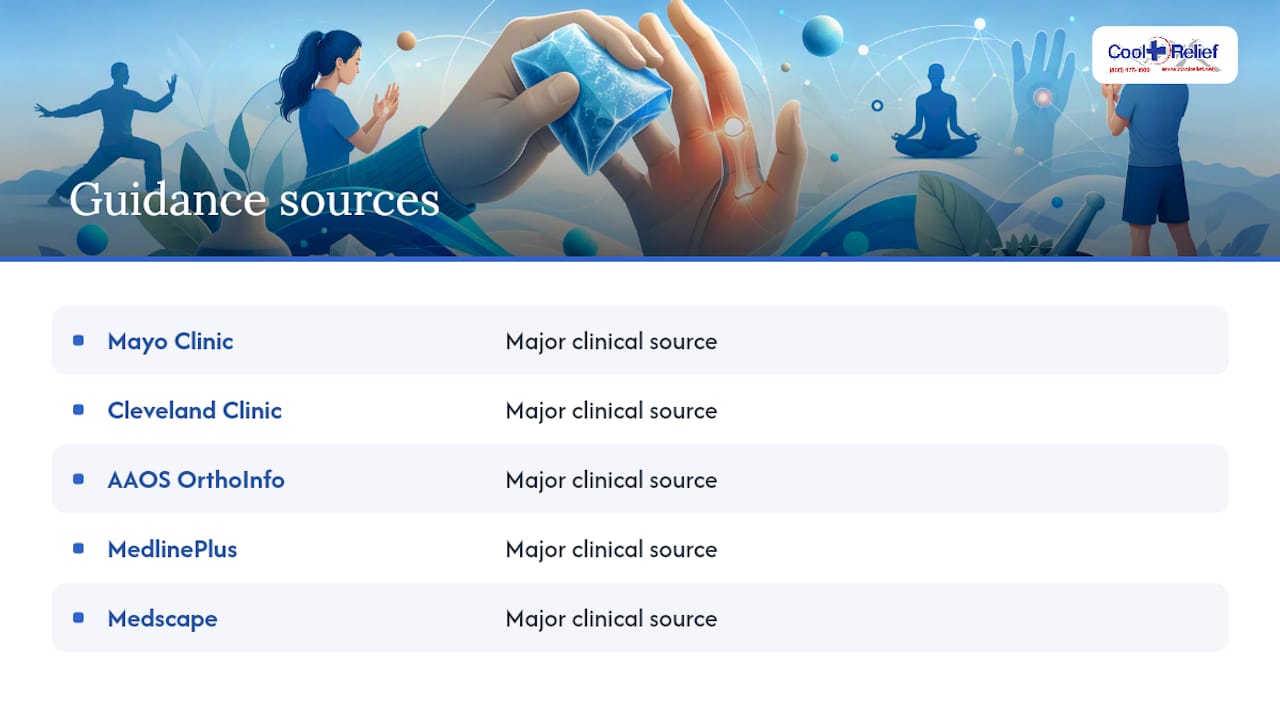
This article draws on trigger finger treatment guidance from major clinical sources, including:
Mayo Clinic Cleveland Clinic AAOS OrthoInfo MedlinePlus Medscape
This article is general information, not a substitute for advice from a qualified doctor. Consult a qualified healthcare professional about your own circumstances before acting on anything here.
Sources
- Trigger finger - Diagnosis and treatment - Mayo Clinic
- Trigger Finger: What It Is, Symptoms, Causes & Treatments - Cleveland Clinic
- Trigger Finger Treatment - Medscape
- Trigger finger — MedlinePlus
FAQ
Does Icing Help a Trigger Finger?
Yes. Short, protected cold sessions of 5 to 15 minutes reduce swelling and dull pain during an acute flare, though icing works best combined with splinting and rest rather than used alone.
What Is the Fastest Way to Heal a Trigger Finger?
There’s no instant fix, but combining icing or heat, splinting for around 6 weeks, gentle tendon-gliding exercises, and NSAIDs gives mild cases the best chance of improving within weeks. Persistent cases often need a steroid injection to speed things along.
What Is Stage 3 Trigger Finger?
Stage 3, often described clinically as a “locked” finger, means the digit gets stuck in a bent or straight position and won’t release on its own. This more severe presentation usually needs prompt clinical evaluation and often a procedural treatment.
What Is the Best Anti-Inflammatory Cream for Trigger Finger?
Oral NSAIDs like ibuprofen or naproxen have more consistent evidence behind them than topical anti-inflammatory creams for trigger finger, since topical evidence for this specific condition remains mixed. Check with a pharmacist or doctor before combining oral and topical NSAIDs.
Should I Use Ice or Heat for Trigger Finger?
Use ice for a fresh flare with visible swelling or acute soreness, and use heat for chronic stiffness or to loosen the joint before stretching exercises. Avoid prolonged, aggressive icing, since it can increase stiffness rather than relieve it.
Share and get 15% off!
Simply share this product on one of the following social networks and you will unlock 15% off!