


Use cold for the first 48 to 72 hours after a whiplash injury to control swelling and pain, then switch to gentle heat once that swelling eases to loosen up stiff muscles. Apply each pack for 15 to 20 minutes, always with a thin towel between your skin and the pack. Thermal therapy is there to help you move, not replace movement, so keep doing gentle neck stretches alongside it. If you notice numbness, weakness, or symptoms spreading down an arm, stop and call a doctor.
TL;DR:
- Cold therapy should be used for 15 to 20 minutes every two to three hours during the first 48 to 72 hours to control swelling and pain.
- Switch to heat therapy after about three days when swelling decreases, the pain shifts from sharp to dull, and movement improves.
- Always place a towel between the skin and packs and avoid lying directly on heat packs to prevent burns, especially for vulnerable groups.
- Combining supportive tools like compression wraps or anti-inflammatory medication can enhance recovery, but should follow the cold-then-heat timeline.
- Flexible gel packs that contour to the neck improve comfort and coverage during both cold and heat phases, supporting proper thermal therapy application.
Table of Contents
- Whiplash Ice or Heat: A Day-by-Day Schedule You Can Actually Follow
- How Do You Apply Ice and Heat Safely?
- Why Does Ice Work Early and Heat Work Later?
- Does Thermal Therapy Actually Help You Recover Faster?
- Can You Combine Compression or Medication With Heat and Ice?
- Why Soft-Gel Wraps Fit the Whiplash Protocol So Well
- Which Cool Relief Wrap Matches Your Recovery Stage
- Sources
Whiplash Ice or Heat: A Day-by-Day Schedule You Can Actually Follow
The rule of thumb is simple: cold comes first, heat comes later, and the switch happens once swelling calms down. Here’s how that plays out over the days after your injury.
Days 1 to 3 (acute phase):
- Apply an ice pack to your neck for 15 to 20 minutes.
- Wait 2 to 3 hours, then repeat.
- Keep this cycle going through your waking hours for the first 48 to 72 hours after the injury.
Cold therapy at this stage restricts blood flow to the area, helping to limit inflammation and muscle spasm early on.
When to switch to heat: watch for these signs that acute swelling has settled down:
- The area feels less puffy or tight to the touch
- Sharp, “hot” pain has faded into a duller ache or stiffness
- Movement feels limited by tightness rather than swelling
Once you notice that shift, usually after 72 hours, you can start introducing heat for 15 to 20 minutes every few hours. Heat brings blood flow into the area to loosen tight muscles rather than calm inflamed ones.
Alternating later on: if you push through a workout, sit hunched at a desk too long, or just have a rough night, your neck might flare back up even after you’ve moved on to heat. When that happens, go back to ice for a session or two, then return to heat once things settle. Many people end up alternating between ice and heat for a week or two as their neck finds its rhythm.
How Do You Apply Ice and Heat Safely?
Getting the timing right matters, but so does the mechanics of actually using the pack. A few basic habits prevent skin damage and make each session more comfortable.
- Always put a thin towel or cloth between the pack and your skin. Direct contact, especially with a hot pack, can burn skin faster than most people expect.
- Never lie down on top of a heat pack. Your body weight pressing into it traps heat against skin and raises burn risk.
- Keep sessions to 15 to 20 minutes and check your skin afterward. Look for redness that doesn’t fade within a few minutes, that’s your cue to shorten future sessions.
- If you have diabetes, poor circulation, reduced sensation in your neck or arms, or you’re pregnant, talk to a doctor before starting thermal therapy on your own. The same goes for kids, since their skin burns and chills more easily than an adult’s.
Pro Tip: Keep a small kitchen timer or your phone alarm next to your ice pack. It’s easy to lose track of time when you’re lying still, and 20 minutes can quietly turn into 45 if you’re distracted by a show or a nap.
Why Does Ice Work Early and Heat Work Later?
Cold and heat do genuinely different jobs on an injured neck, which is exactly why the order matters. Ice causes vasoconstriction, meaning it narrows blood vessels near the surface. That slows the flood of fluid and inflammatory cells into the tissue, which is what keeps swelling and muscle spasm from spiraling in those first couple of days. It also has a numbing effect that takes the edge off sharp pain.
Heat works the opposite way. It widens blood vessels and pulls more circulation into the area, which softens tight tissue and makes it more pliable. That’s useful once the acute swelling has already passed, but applying heat too early can actually work against you by increasing blood flow into tissue that’s still inflamed.
Here’s the part most guides skip: the evidence for heat alone is genuinely mixed. Some clinical guidelines recommend it, others call the evidence insufficient to stand on its own. That’s not a reason to skip heat. It’s a reason to treat it as one piece of a broader recovery plan rather than a fix by itself, paired with movement, stretching, and time.
Does Thermal Therapy Actually Help You Recover Faster?
Ice and heat feel good, but they aren’t the main event. Recovery from whiplash hinges on staying mobile, and thermal therapy’s real job is knocking pain down enough that you can move without gritting your teeth through it.
Research on whiplash-associated disorders consistently points to early mobilization and supervised exercise as the strongest predictors of a good outcome. Staying stiff and guarded for weeks tends to backfire, since a neck that doesn’t move gets stiffer, not stronger. Gentle range-of-motion exercises, done a little every day, matter more than any pack you put on it.
Over-the-counter pain relievers like acetaminophen or ibuprofen can help you get through the toughest first few days, used short-term and per label directions. But don’t let any combination of meds and thermal therapy become an excuse to stay still for long stretches.
Call a doctor or seek urgent care if you notice any of these:
- Numbness or tingling running down an arm or into your hand
- Muscle weakness you didn’t have before
- Pain that keeps getting worse instead of gradually easing
- Dizziness, vision changes, or trouble with balance
Can You Combine Compression or Medication With Heat and Ice?
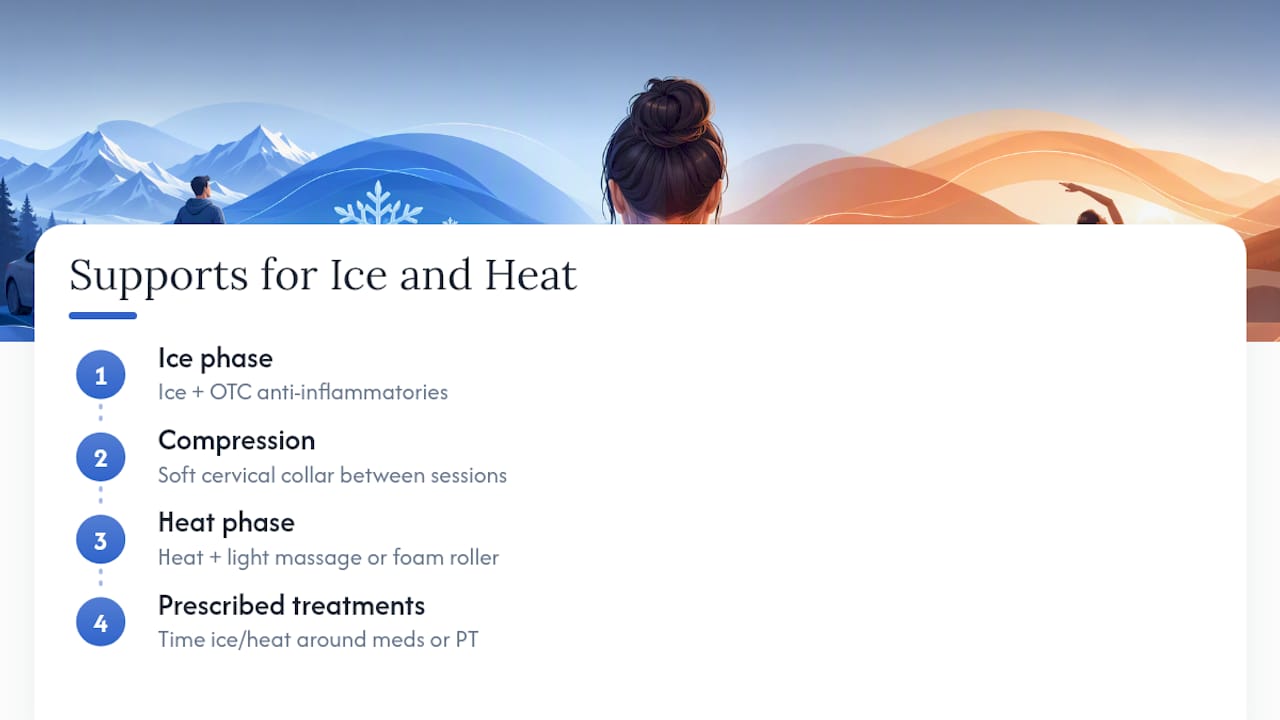
Thermal therapy rarely works alone in a real recovery plan, and pairing it with other simple tools often speeds things up. A soft cervical collar or supportive wrap can add gentle compression, which some people find takes pressure off strained muscles between ice or heat sessions, though it shouldn’t replace movement for more than short stretches.
Over-the-counter anti-inflammatories, taken as directed, pair naturally with the acute-phase ice routine since both are working toward the same goal: knocking down inflammation. Once you shift into the heat phase, some people find a light massage or foam roller on the surrounding shoulder muscles helps loosen tension that built up from days of guarding the neck.
The order still matters here. Adding heat, compression, or medication doesn’t change the core rule of ice first, heat later. Think of these as supporting tools around that timeline, not replacements for it. If you’re using a prescribed muscle relaxant or a physical therapy plan, timing your ice or heat sessions around those appointments often gets you the best results, since a looser neck responds better to hands-on treatment.
Why Soft-Gel Wraps Fit the Whiplash Protocol So Well
A stiff, rigid ice pack doesn’t sit right on a curved, sore neck, and that mismatch is exactly what soft-gel technology solves. Gel packs stay flexible even straight out of the freezer, so they contour around the neck instead of leaving gaps where cold or heat can’t reach.
Look for a wrap with a secure, adjustable strap, a washable cover, and dual hot and cold capability so one product covers both phases of your recovery. That combination lets you follow the ice-then-heat protocol without buying two separate products or wrestling with a bag of frozen peas and a towel. A flexible gel pack that molds to your neck also means less repositioning during a session, which matters when you’re already sore and don’t want to keep adjusting an awkward pack every few minutes.
— Cool
Which Cool Relief Wrap Matches Your Recovery Stage
For whiplash specifically, the Soft Gel Migraine Ice Pack is built to wrap around the head and upper neck, which makes it a strong pick if your whiplash pain radiates into headaches, a common companion to neck strain.
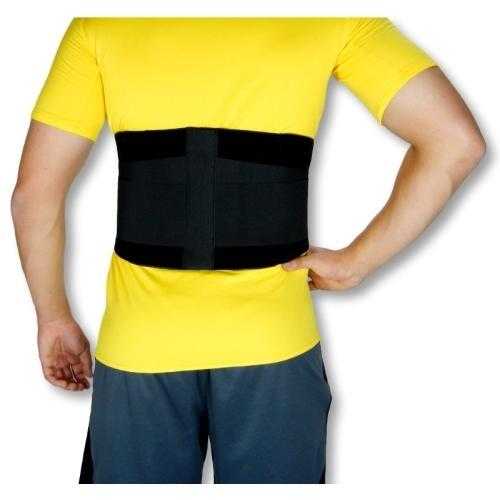
If your pain sits lower, around the jaw or the base of the skull, the Jaw Ice Wrap gives you a smaller, more precise fit for that area without covering your whole head. And if your whiplash comes with a tight, sore upper back or shoulders, the Soft Gel Back Heat Wrap switches between hot and cold, so it can follow you from the acute icing phase straight into the heat phase without switching products.
All of these use soft-gel inserts that stay flexible when frozen, so you get even coverage instead of one stiff cold spot. Refreeze between uses, follow the included warming instructions if you’re using the heat setting, and hand wash the covers to keep them in good shape for the long run. Browse the full neck and head wrap collection to find your fit, and if your pain is severe, spreading, or not easing after a week or two, check in with a doctor before continuing any home routine.
Sources
A few sources back most of the guidance above, and they’re worth keeping handy if symptoms change or you want a second opinion on your own case.
- How to Treat Whiplash at Home
- Heat therapy - RECOVER Injury Research Centre
- Whiplash - Diagnosis and treatment - Mayo Clinic
- Cervical sprain / Whiplash-associated disorders — NCBI Bookshelf
This article is general information, not a substitute for advice from a qualified doctor. Consult a qualified healthcare professional about your own circumstances before acting on anything here.
Share and get 15% off!
Simply share this product on one of the following social networks and you will unlock 15% off!